fbpx

“What’s on the Menu at Kodo Village this Month?” by Mari Takatsu

A Glimpse at the Kodo Village November 2018 Menu

Winter is on its way and the autumn leaves on Sado Island won’t be around for much longer.

When I see the mark for snow show up on the weekend weather forecast, I know it’s time to brace ourselves for another long, cold winter.

It’s easy to get sick now the temperature is much lower in the mornings and evenings, so it’s a good time to actively increase your intake of probiotic lactic-acid bacilli and get your gut microbiome in order!
So, on the menu this month at Kodo Village we’ve had:
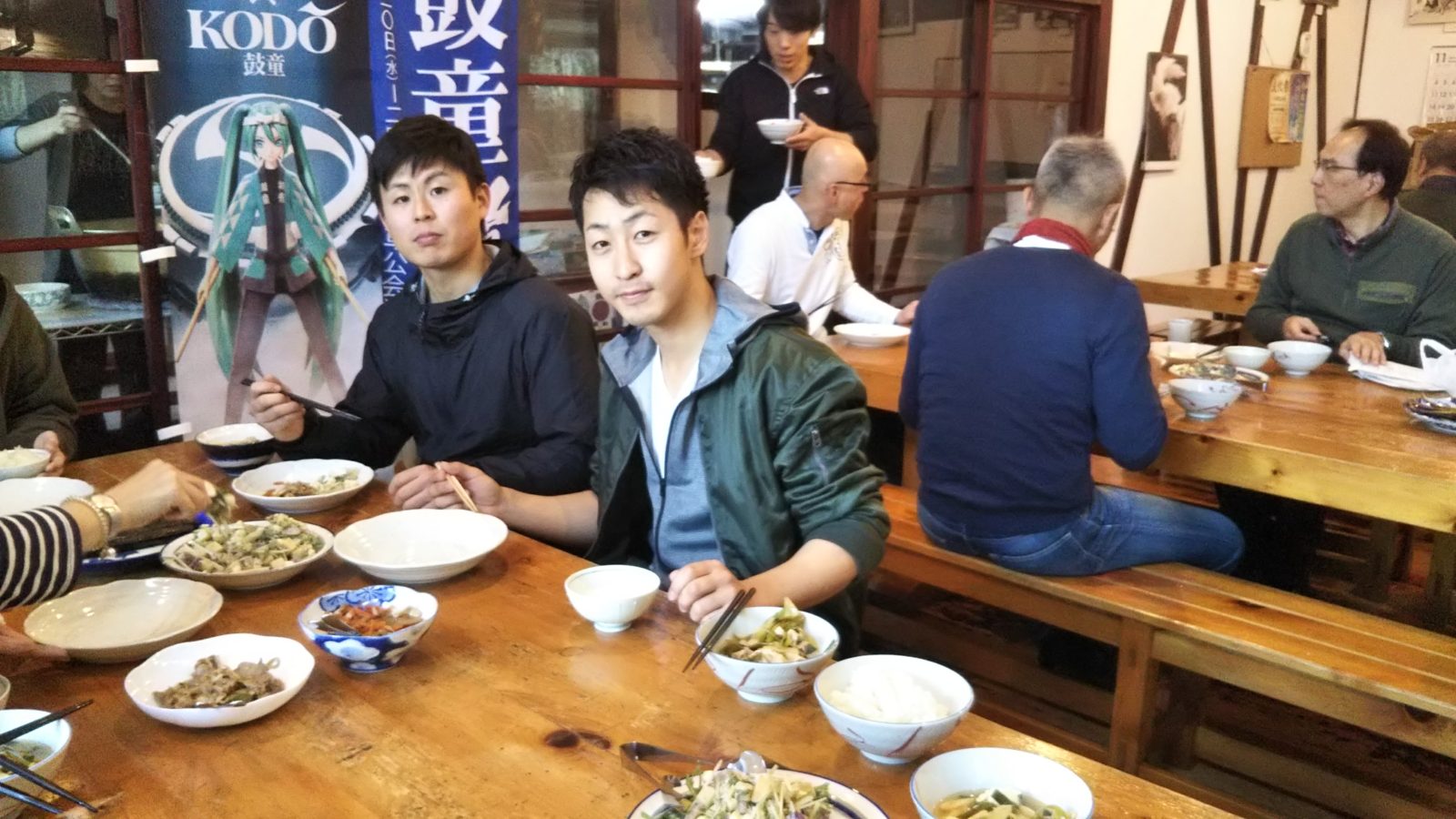
Photo: Mari Takatsu

*Grilled Fish (Saury)
Saury (sanma in Japanese) is an exemplary bluefish. Blue fish oil lowers cholesterol.

*Probiotic Lactic Acid Bacteria-Packed Soup
This soup has soy milk, kimchi, and miso in it. Kimchi contains plant lactic acid bacteria, which regulates the intestines. The pungent component of kimchi increases your metabolism and disintegrates fat.

*Sweet Potato Salad
We use yoghurt as a dressing. Yoghurt makes good bacteria activate, so it helps prevent constipation. Walnuts bring an enjoyable crunch element to the dish.
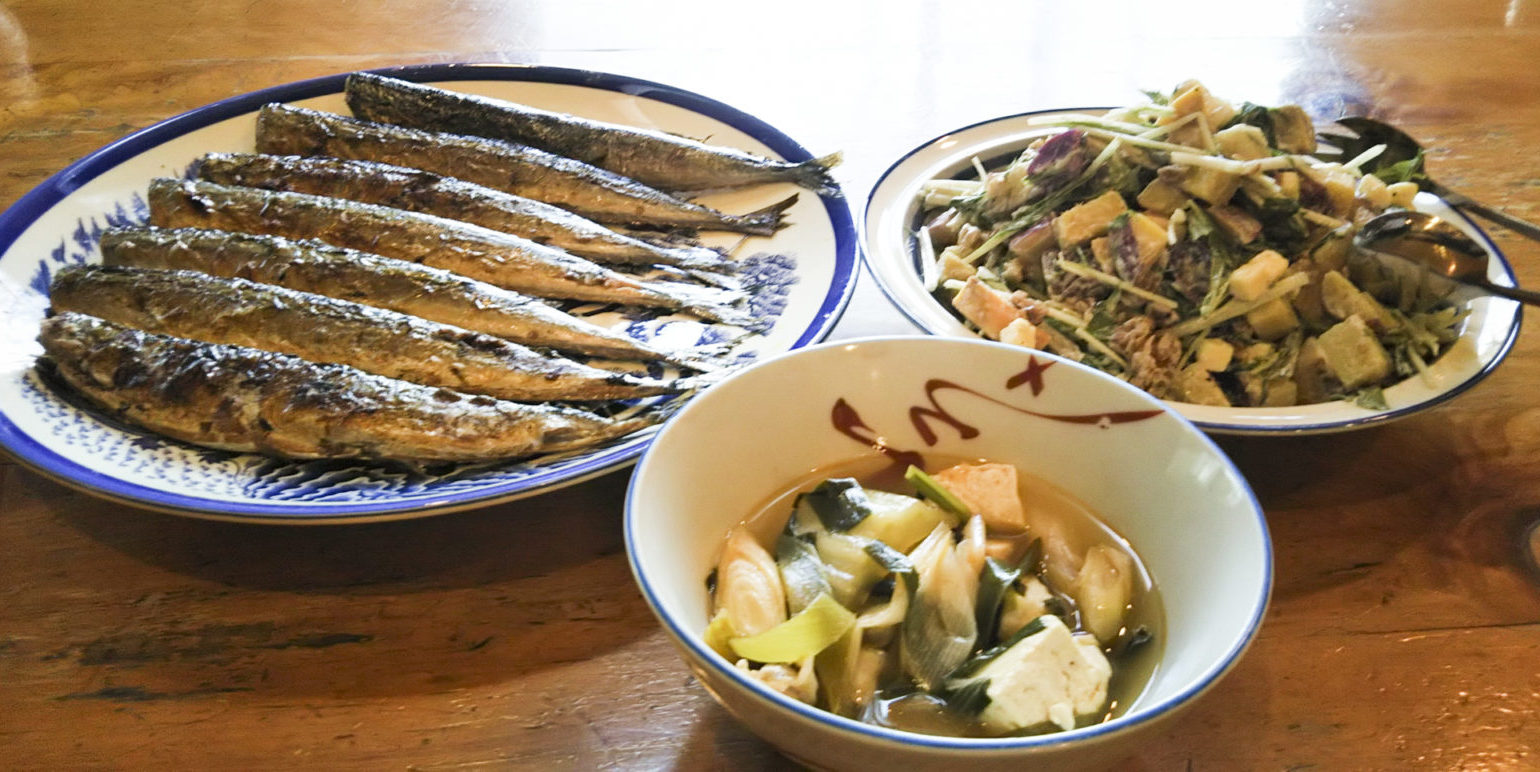
Photo: Mari Takatsu

Kodo Menu Supervisor: Mari Takatsu
“A Visit to the Chappa Makers” by Yuki Hirata

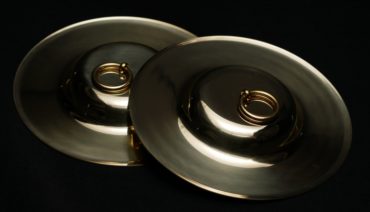
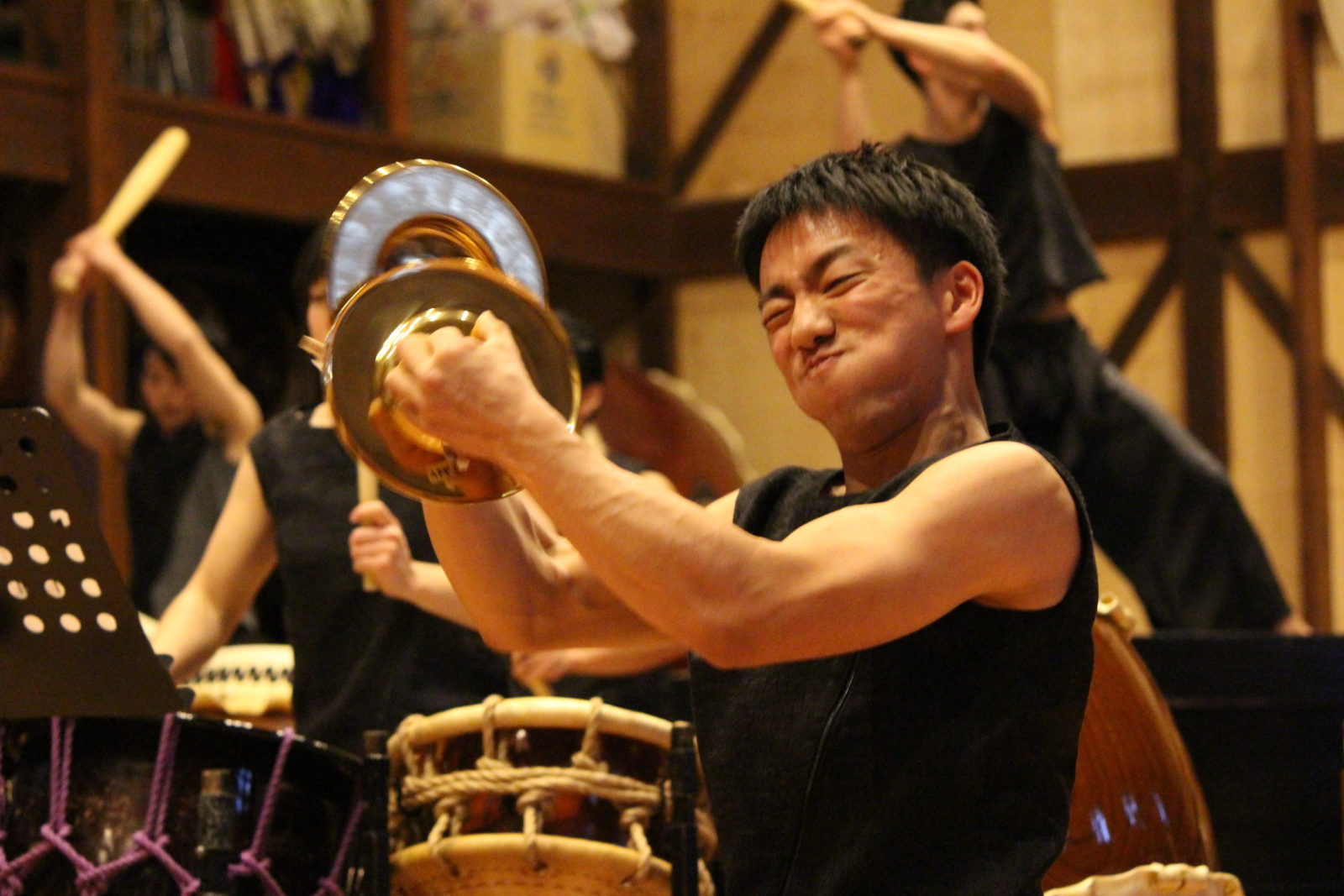
The chappa (cymbals) that Kodo uses on stage are an original design that emerged from a collaboration between craftsmen and Kodo performers. Both parties honed the cymbals through trial and error, paying careful attention to details such as the materials, thickness, shape, and rings.

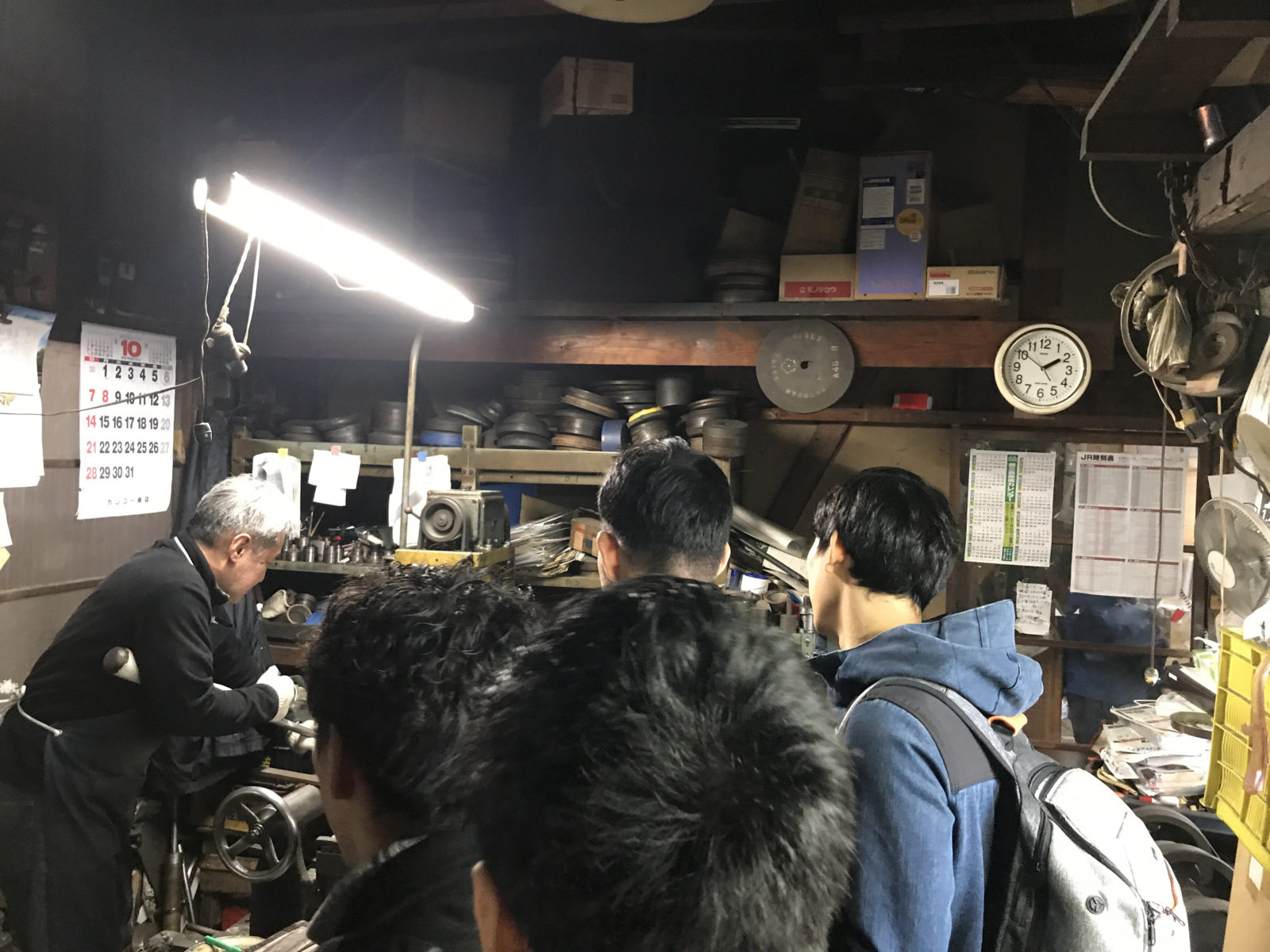
The other day, we paid a visit to these chappa craftsmen.

When we arrived at their workshop, we found them hard at work.
They shape each round flat metal plate into a precious cymbal by hand, one at a time.

One of the processes they use is metal spinning, where they spin the metal and press down on it firmly with a rod to shape it. This technique allows them to process the metal so there is no unevenness in the thickness of the plate.

Once the metal is shaped, they take it to their polishing workshop. They beautifully polish the cymbal, then attach a seamless metal ring, which is carved from a metal rod. Then the cymbal is ready for the Kodo stage, or for sale to the public.

When I met the craftsmen in person, I really felt their enthusiasm.

I felt the same enthusiasm and energy we have as performers, both when we create a performance and when we play taiko.

It’s all about making something good.
Doing the best work you can do.
Thinking about how to make something even better this time around.
Doing a better job.

When the craftsmen saw us off, they said, “We’ll keep doing our best, too.”

Photo: Erika Ueda

This visit to the cymbal workshop made us vow to do our very best to create good sound with the chappa.
We’ll keep doing our very best, just like the craftsmen.


Kodo Online Store in English | Chappa (Cymbals) 5 [go]-sun size
http://kodo.shop.multilingualcart.com/goods_en_jpy_5.html

“Back Where It All Began” by Junior Member Taiyo Onoda

Photo: Yui Kamiya

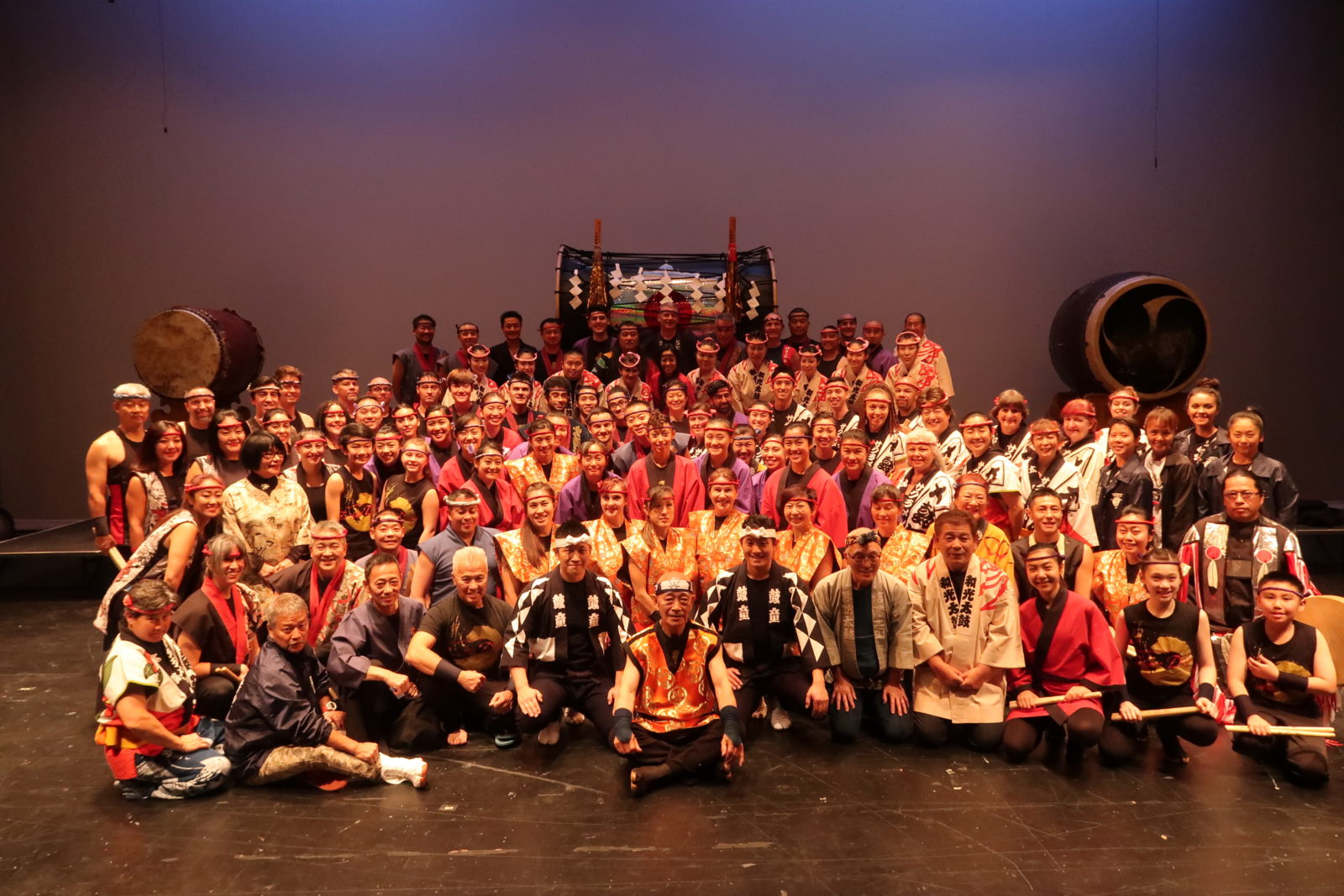
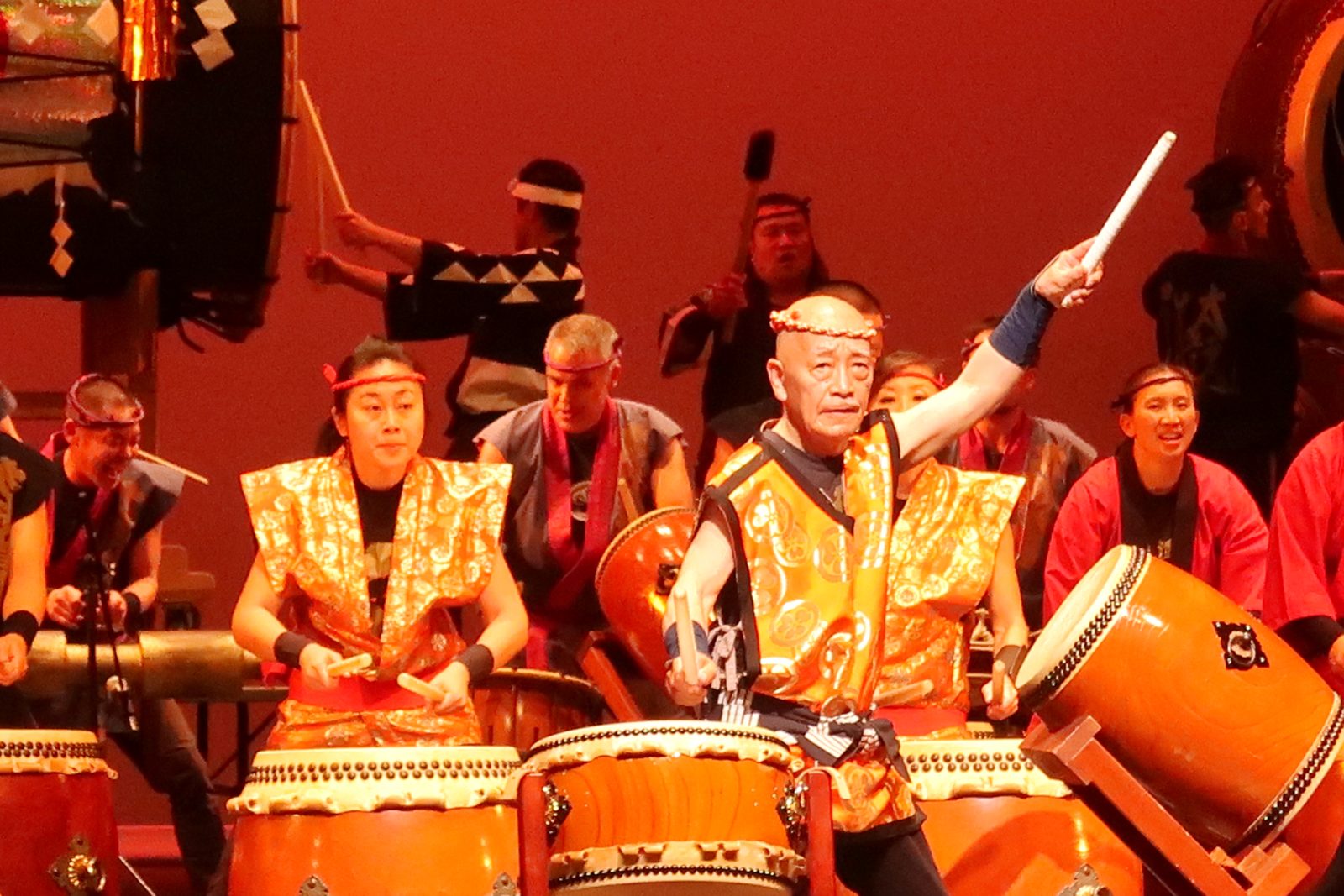
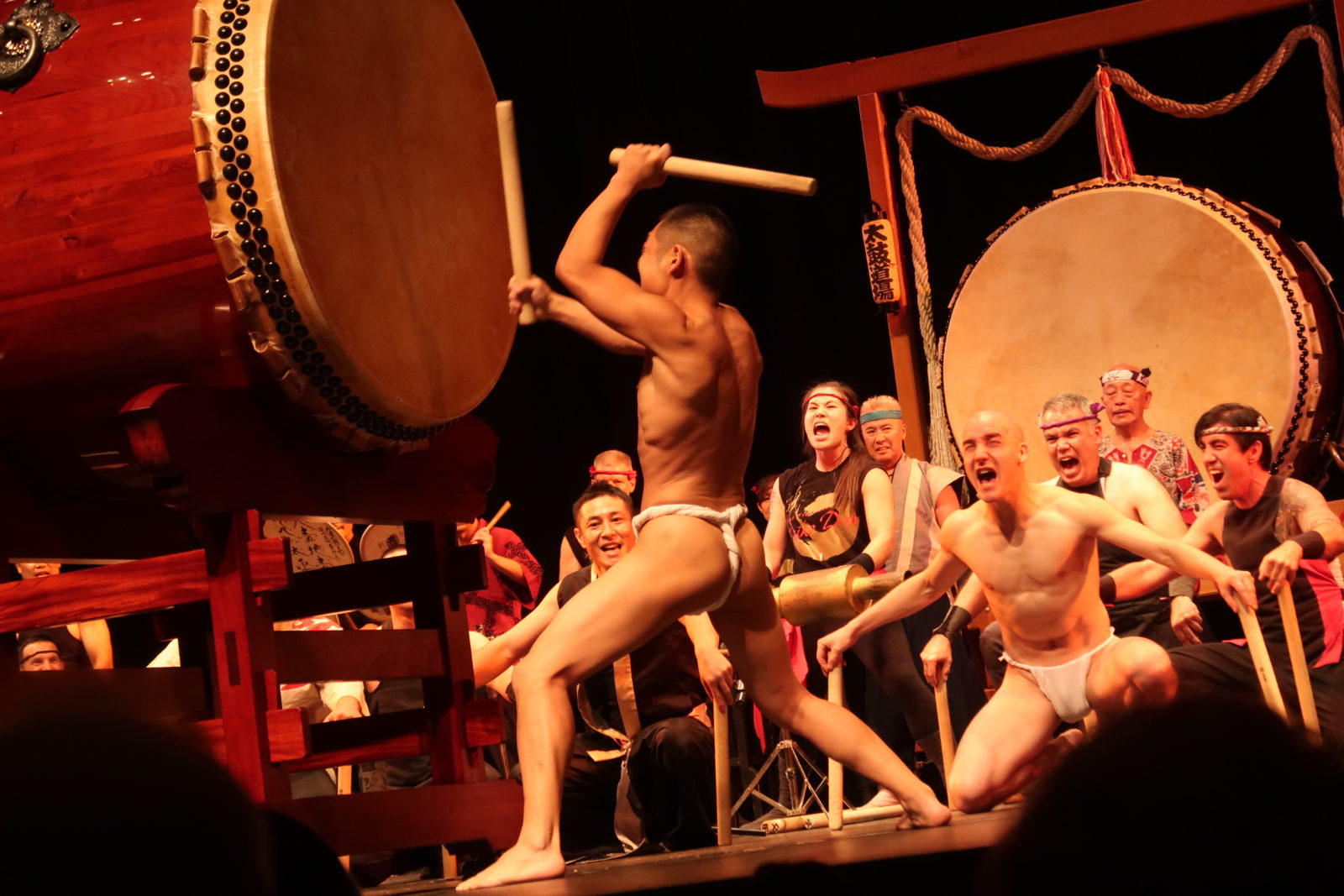
This year marks the 50th year of taiko in the United States. It all began in 1968, with the opening of Grandmaster Seiichi Tanaka’s San Francisco Taiko Dojo.

Photo: Yui Kamiya

I started playing taiko under Tanaka-sensei (Mr. Tanaka) when I was 8. Through the training, I was connected to many leaders of the American taiko community. With their support, I decided to apply for the Kodo Apprenticeship Program when I was 22.

This is the third year since I left for Japan. I had the honor of participating in San Francisco Taiko Dojo’s 50th Annual International Taiko Festival as a Kodo junior member on November 10th and 11th. There were many guest performers with connections to Tanaka-sensei from all over the world, making the whole performance four and a half hours long.

Photo: Yui Kamiya

The finale piece consisted of the guests soloing on the odaiko (big drum), one after another. With all the performers’ emotions overflowing, the piece became a 45-minute-long masterpiece.

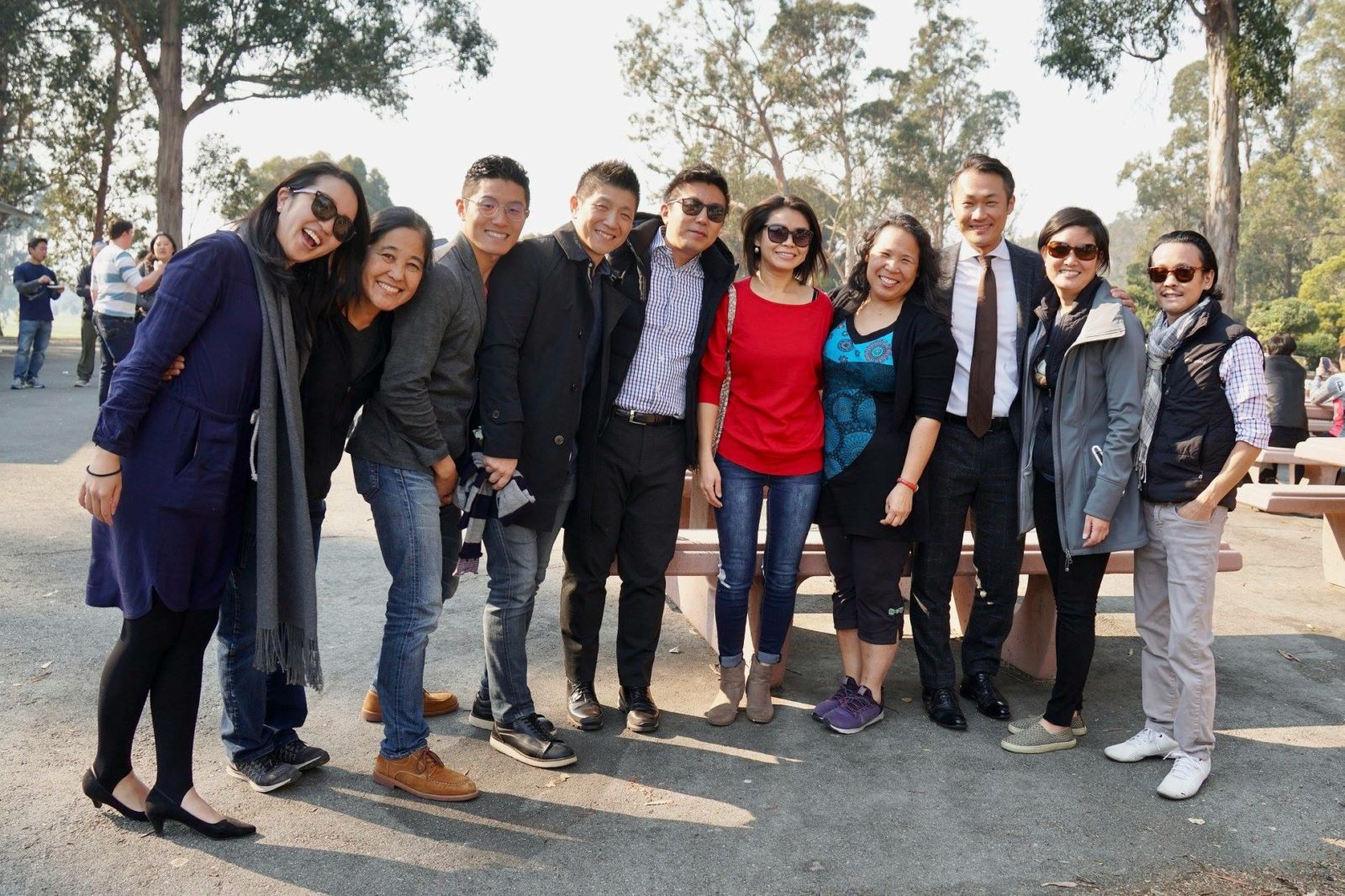
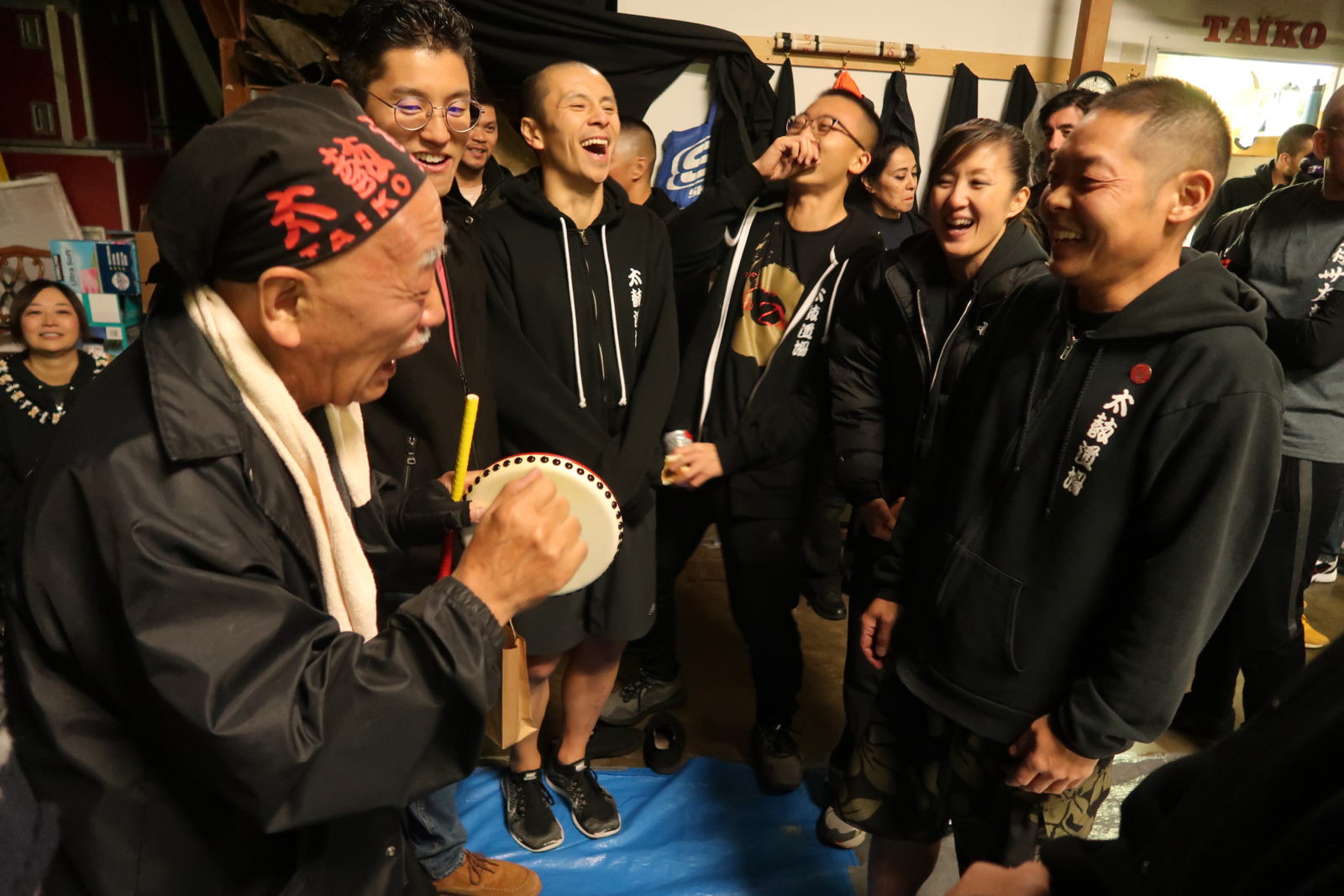
Around the performance, I was able to enjoy exchange with San Jose Taiko and KASA.

Photo: Yui Kamiya

It was very nerve wracking to perform in front of this home crowd for the first time in three years. So much so that I had a migraine during the rehearsal…
But for the performance, I believe I was able to calmly present my natural self. Hopefully I was able to demonstrate how much I’ve changed.

Photo: Yui Kamiya

I brought back many words of encouragement, and of course, hugs.
It’s only a few more months until the final selection, when Kodo chooses which junior members can become fully-fledged performers.
My friends gifted me the strength to keep pushing myself. I am looking forward to greeting everyone again with a smile during the US tour next year.

Photo: Yui Kamiya

Nov. 10 (Sat) & 11 (Sun), 2018 Taiyo Onoda Guest Appearance at “50th Anniversary International Taiko Festival” (San Mateo, CA, USA)


[Kodo MEGURU] “Miyake” by Kenta Nakagome

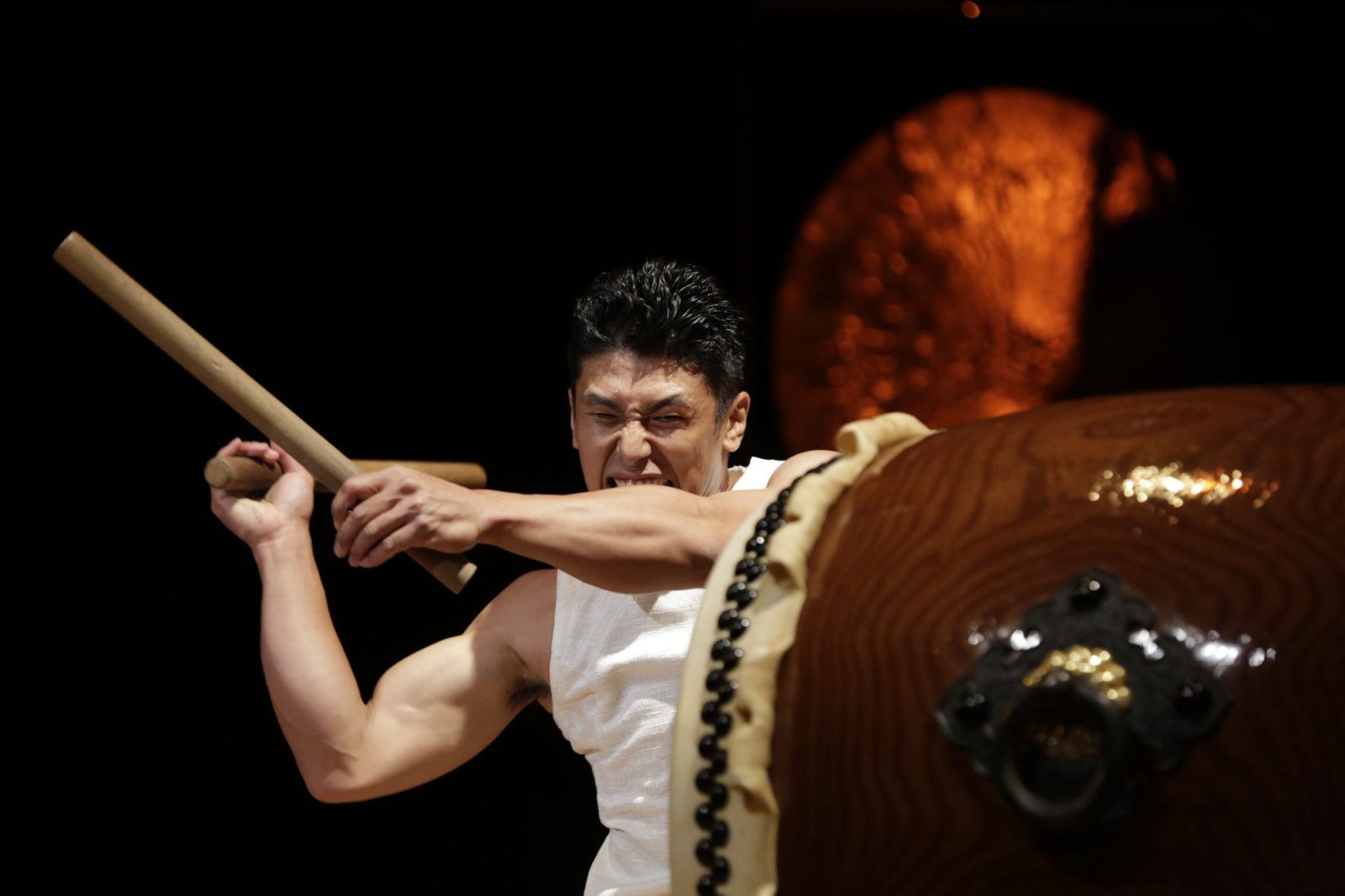
Naturally, I have a real soft spot for playing O-daiko (the big drum).
But recently, I realized that Miyake (Miyake Taiko) is also very important to me.

Photo: Erica Ueda

Back when I had just become a Kodo member, I made it on to my first big tour because I was given the chance to play Miyake. For a time back then, all I played was Miyake and I didn’t practice anything else, which meant I didn’t get to perform much else.

Perhaps I realized that when I was playing a Miyake solo, I could let myself “explode,” let myself go wild.

When I was new to the group and couldn’t do anything well, Tomohiro [Mitome] and Yosuke [Oda] used Miyake as a tool to open my eyes.

Photo: Erica Ueda

Later on, there was a time when I felt a sense of failure, and wasn’t sure which way to turn. Kazu (Kazuhiro Tsumura) from Miyake-jima Geino Doshikai, who was in the same Kodo apprentice cohort as I, said “Come on, let’s play Miyake together.” And with that invitation, I went to see the Tsumura family. While I was there, drumming like crazy, I started to feel better, and more and more positive.

I also felt reawakened by the Tsumuras’ explosive sound.

Anytime I am not feeling good physically, playing Miyake makes me feel better again.

Photo: Erica Ueda

And anytime something new is about to begin, the chance for me to play Miyake seems to arise out of nowhere.

I heard Yuta [Sumiyoshi] was going to direct a production for the first time. He said to me , “Let’s do something together,” and he asked me to arrange and play a new arrangement of Miyake. That arrangement became a whole new piece, Saien, which we created as our own take on Miyake.

Photo: Takashi Okamoto

When I look back on my journey, taiko has trained me and guided me to where I am today.

Photo: Takashi Okamoto

I feel fresh and new as we create this brand new work, “MEGURU,” but at the same time I can feel Miyake on my mind and in my bones.

Photo: Heday Masuda

Photos: Takashi Okamoto, Heday Masuda, Erika Ueda


MEGURU (Japan Tour)

Schedules

[Kodo MEGURU] Message from Director Yuta Sumiyoshi

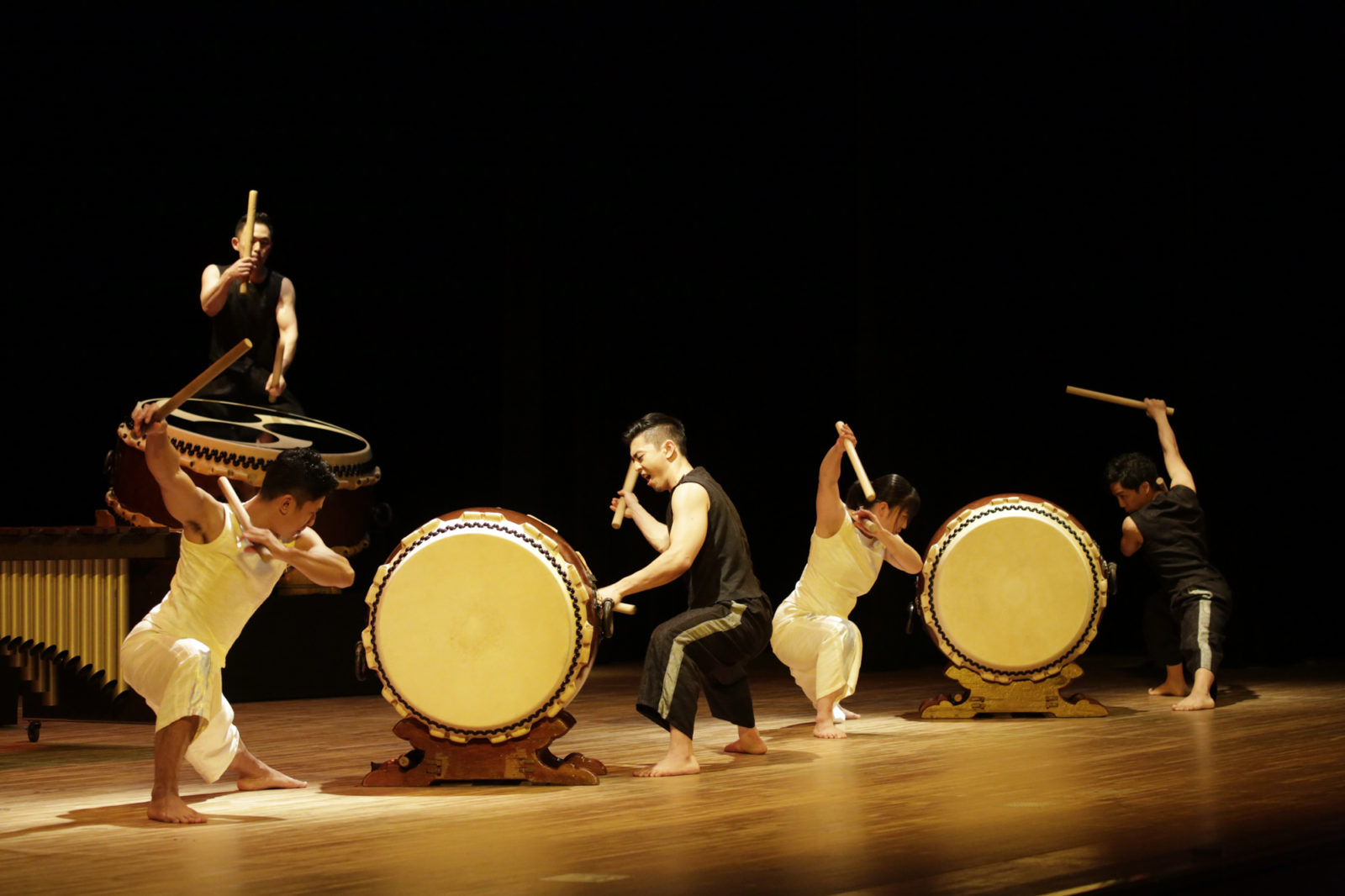
Photo: Takashi OkamotoI am so happy to share Kodo’s new production “MEGURU” with audiences throughout Japan this month and next.
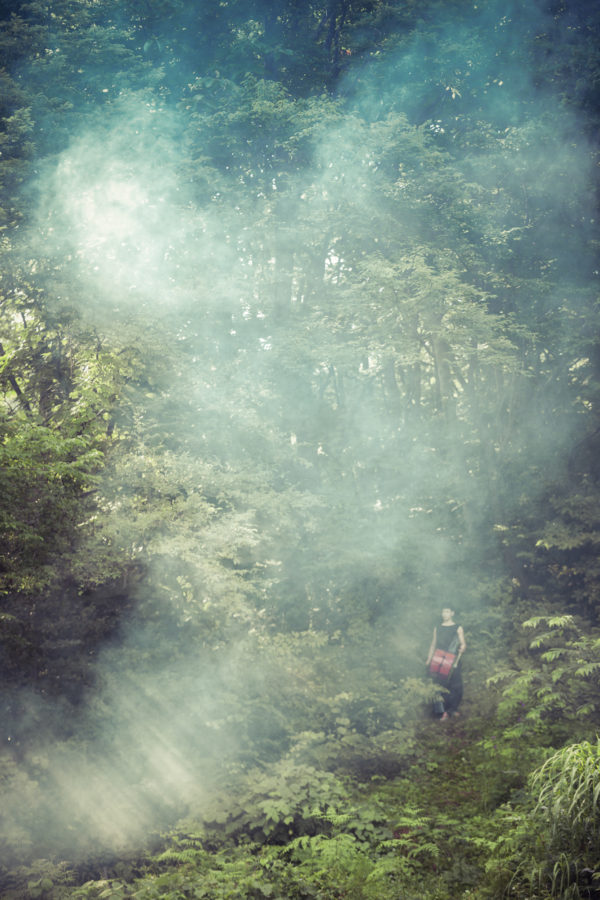
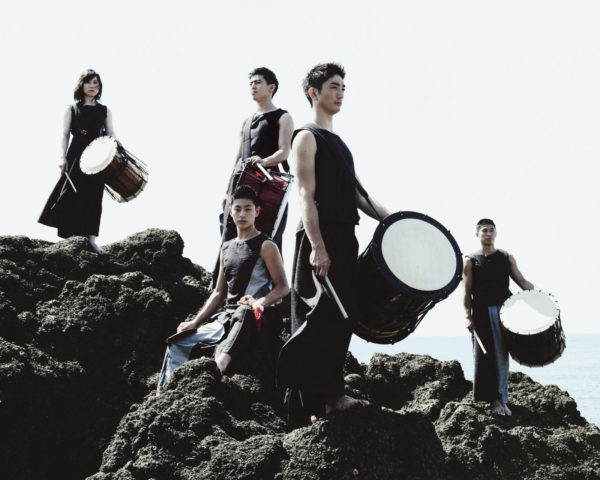
MEGURU means to revolve or come full circle. Based on that theme, I carefully crafted this programme from all new pieces, each created with a focus on conjuring scenery with sound.

All things in nature loop, there are no exceptions.
The sun and moon, water and life, they all revolve without exception.
All things that begin come to an end, then begin again. Beyond space and time, over and over again.
This phenomenon extends to spiritual things, too, such as souls and people’s feelings.

Photo: Koichi Kinoshita

Such cycles have turned for thousands of years, and perhaps the tales people hand down through time have influenced us unknowingly.
I’ve come to think that if people from different countries or cultures can imagine scenery in the same way, then an individual’s own memories or knowledge aren’t the only things that shape their perceptions.

So, what do we have in common?

Throughout time, I think we humans have always sought an understanding of the senses shared by all human beings, and this pursuit has continually led us into contact with the arts.
There are various artistic activities, such as art and music, but none of them are necessities for humans to live their lives.
Even so, humans throughout time have foregone sleep to draw pictures and to create music.

I too have moments when I only want to create music.
I get this feeling of wanting to give shape to something that lies somewhere within me.

I want to hear my soul’s voice.

That kind of impulse is like a tale in itself that has come around and around again. It’s also what I want to depict through this work.

I hope MEGURU will take us on a journey together in pursuit of that soul, a journey that circles imaginary scenery evoked by Kodo’s sound.
We will cherish each and every sound as we perform to facilitate this quest with our audience.

Photo: Riu Nakamura

MEGURU (Japan Tour)

Schedules


Kodo Blog Archive