“Taiko Warabe Goju-nen”: Yoshikazu Fujimoto Performance Career 50th Anniversary Concert” by Yuichiro Funabashi

Hi everyone! How are you?

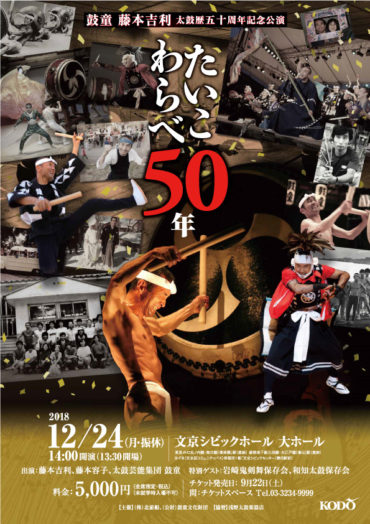
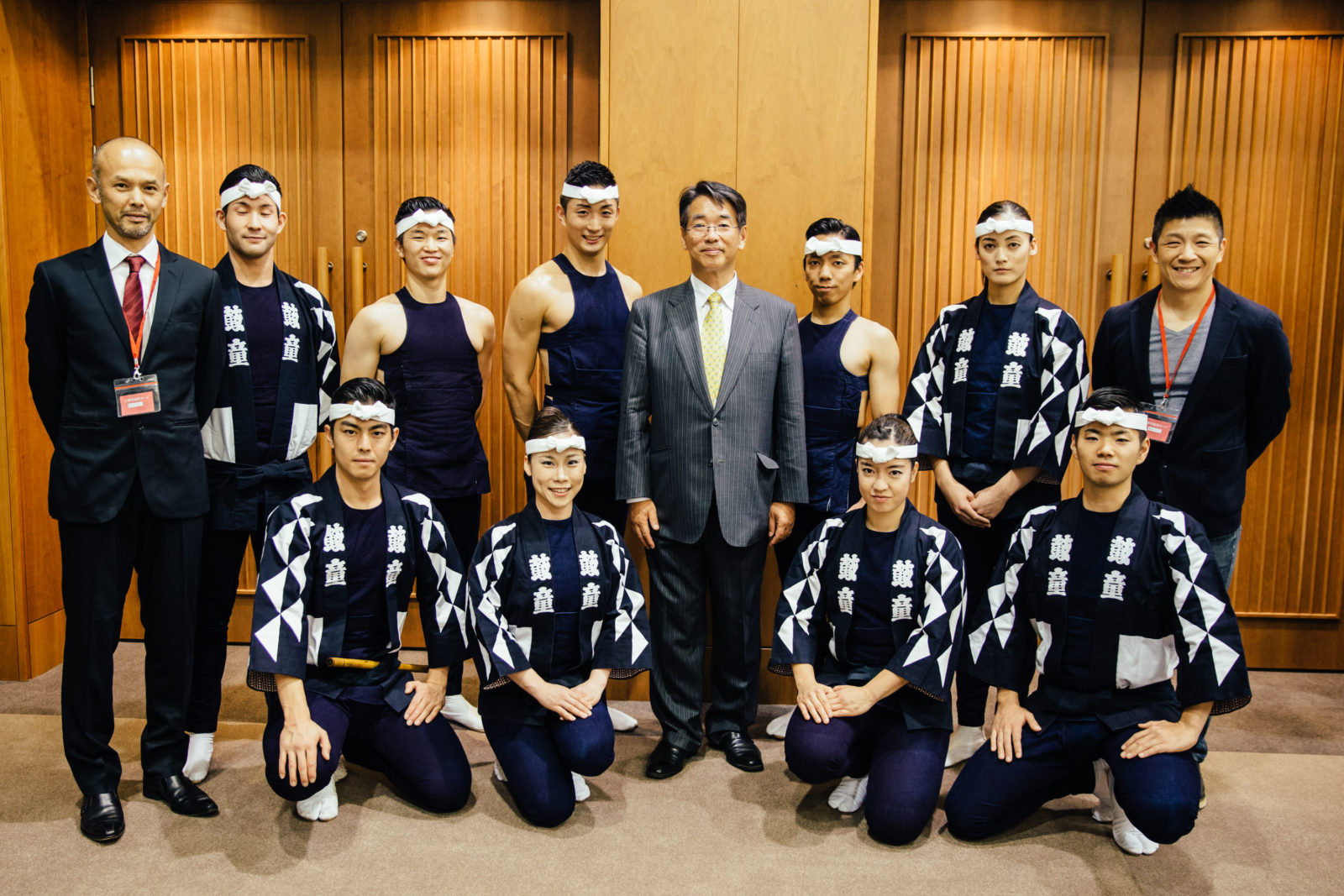
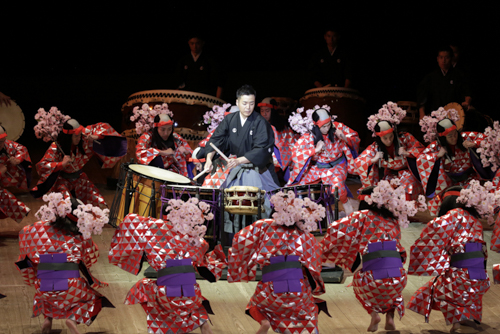
As you probably already know, Kodo’s last performance this year will be “Taiko Warabe Goju-nen,” a special concert commemorating Yoshikazu Fujimoto‘s 50th milestone year as a performer.
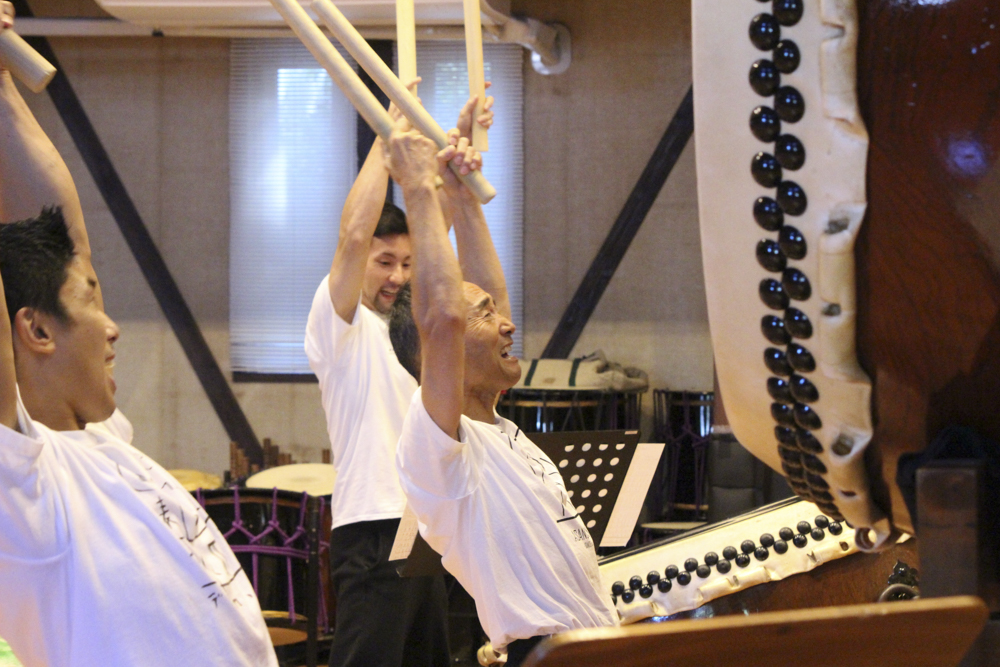
Photo: Erika Ueda

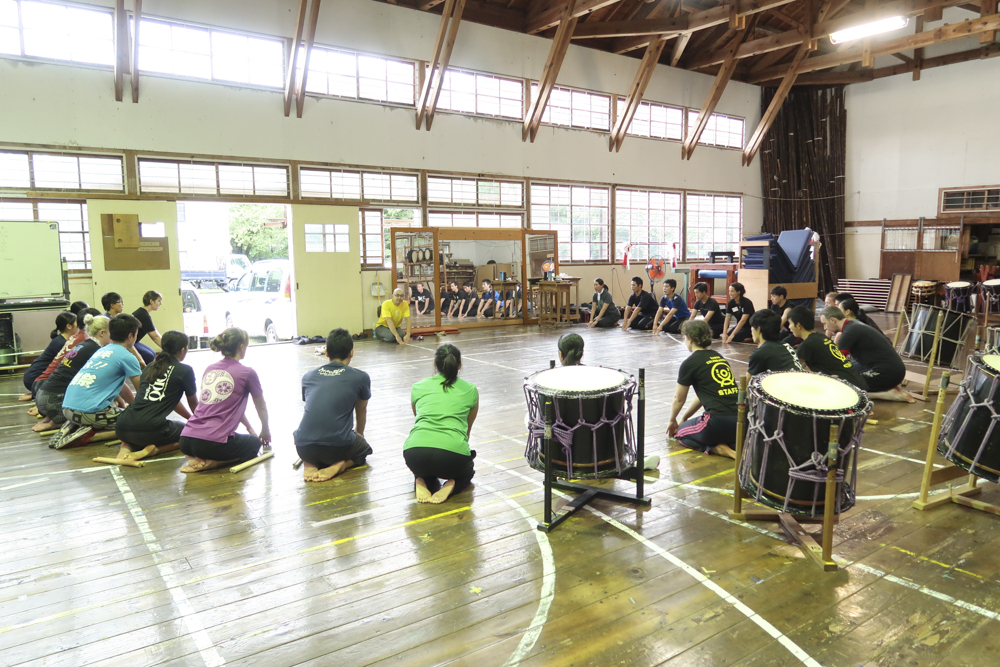
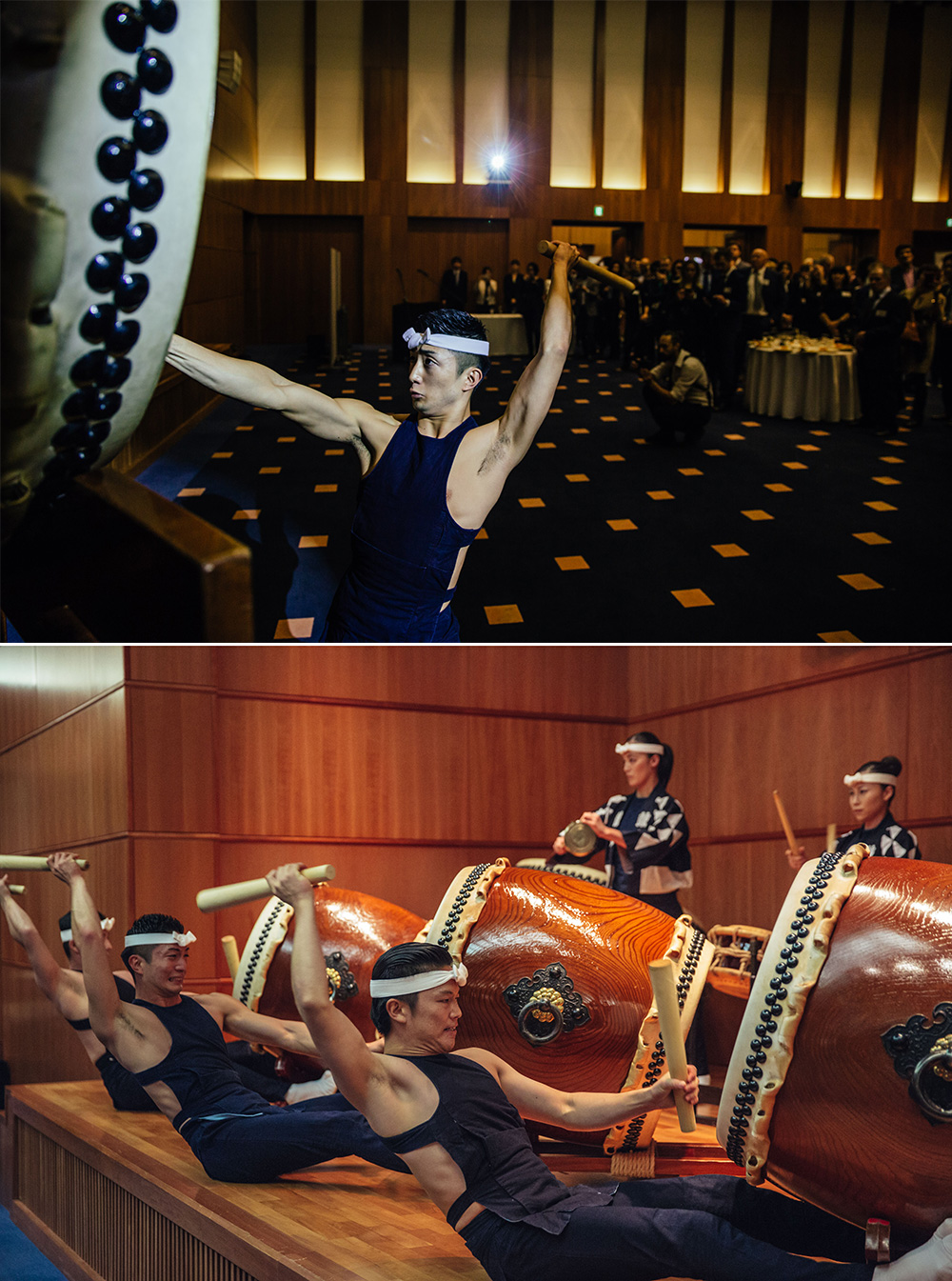
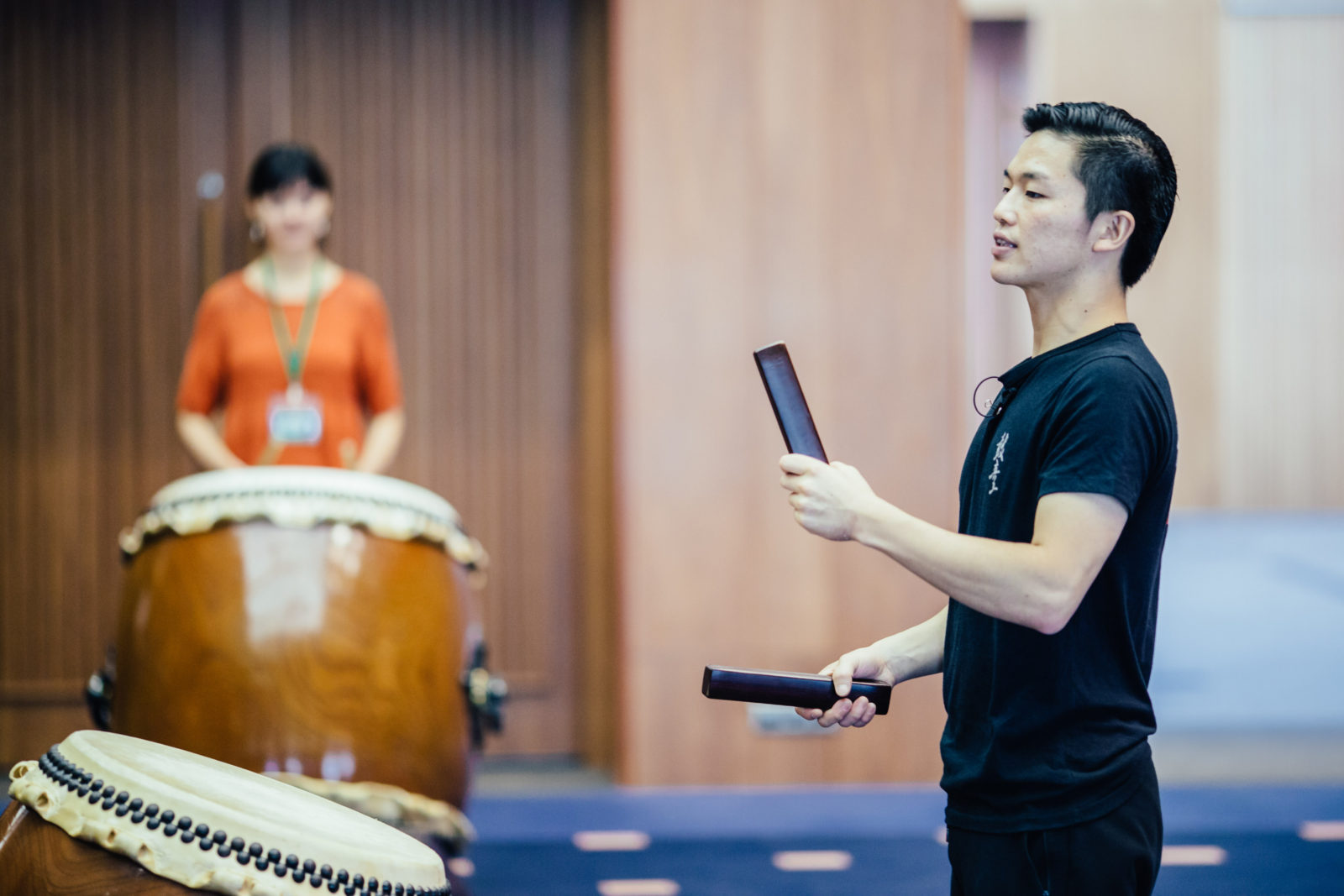
The other day, we had rehearsals at Kodo Village and Yoshikazu showed all the junior members (which in this case means everyone!) his body and soul approach in practice.

“Your passion shows on your face AND your back.”

Photo: Erika Ueda

When I heard him say that, I felt the weight of those fifty years in his embodiment of those words.

For this performance, we will welcome Iwasaki Onikenbai Hozonkai (Iwasaki Demon Sword Dance Preservation Society), who have taught Yoshikazu Fujimoto and Kodo for many years, and Wachi Daiko Hozonkai (Wachi Taiko Preservation Society) from Yoshikazu’s hometown, Wachi, where his taiko journey began. Kodo will be there right alongside these special guests and Yoshikazu, giving our all to celebrate our most senior member.

I am really looking forward to this performance!

Photo: Erika Ueda

Kodo’s latest production MEGURU will be on stage at Bunkyo Civic Hall until Dec. 23, the day before “Taiko Warabe Goju-nen” on Christmas Eve.
I really hope you’ll take this opportunity to see Kodo’s depth and breadth as an ensemble through both of these distinct concert programs.

As I said in my New-Year greeting for 2018:
“(Yoshikazu Fujimoto) is a man who has stood apart as a pioneer in performing arts and remains in a class of his own. Watching over and raising the next generation is very important, and we have learned the magnificence of undertaking these tasks ourselves by observing many performing arts. As we celebrate the career of our group’s most senior member, we would like to express our gratitude for Kodo’s ability to carry out a wide range of activities each year. The Kodo Group looks forward to congratulating Yoshikazu along with the entire audience who gathers for this auspicious event.”
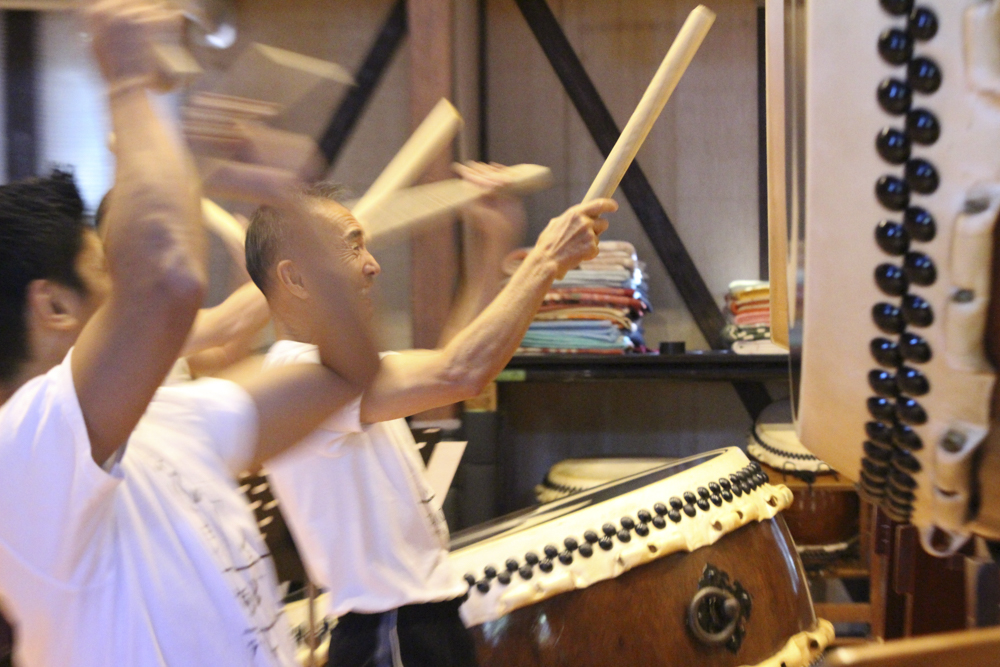
Photo: Erika Ueda


“Taiko Warabe Goju-nen”: Yoshikazu Fujimoto Performance Career 50th Anniversary Concert
Dec 24 (Mon), 2018 Bunkyo Civic Hall Main Hall, Bunkyo Ward, Tokyo

“Taiko Warabe Goju-nen” (Child of the Drum for 50 Years): Yoshikazu Fujimoto Performance Career 50th Anniversary Concert (Bunkyo Ward, Tokyo)

“New Project: Roots of Kodo” by Eri Uchida

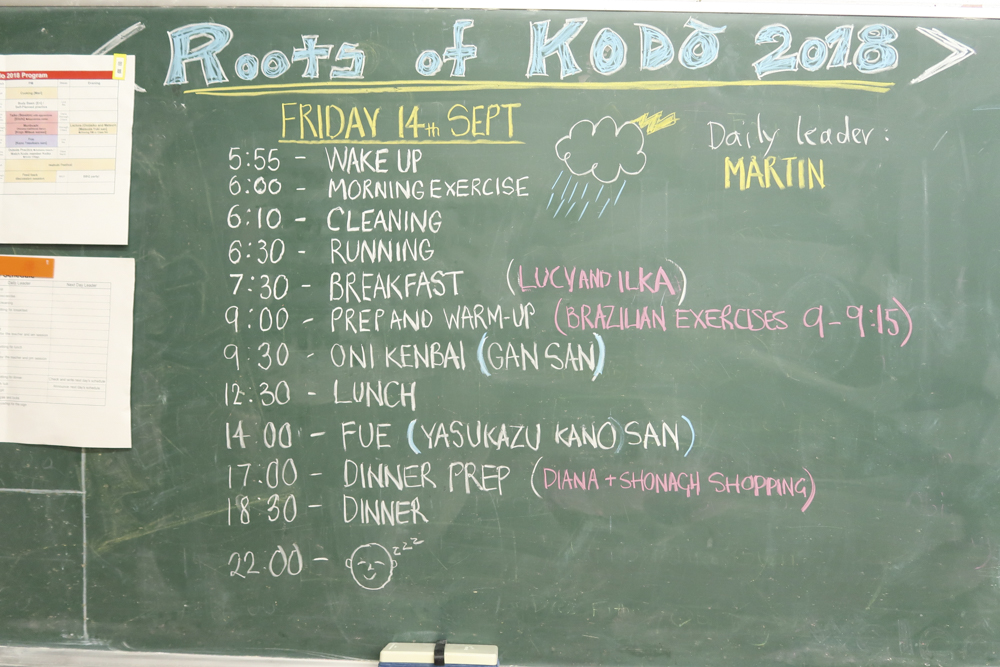
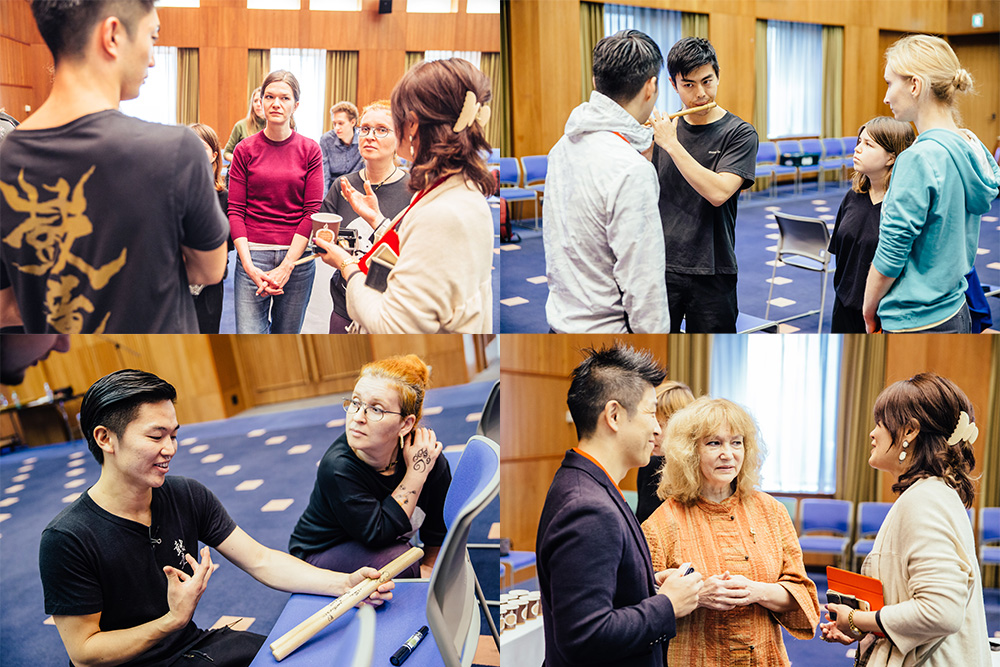
In September, while other Kodo members where performing in “Yugen” at Kabukiza Theatre and traveling for small group projects, I was working hard on a new venture on Sado Island: a program called “Roots of Kodo.”
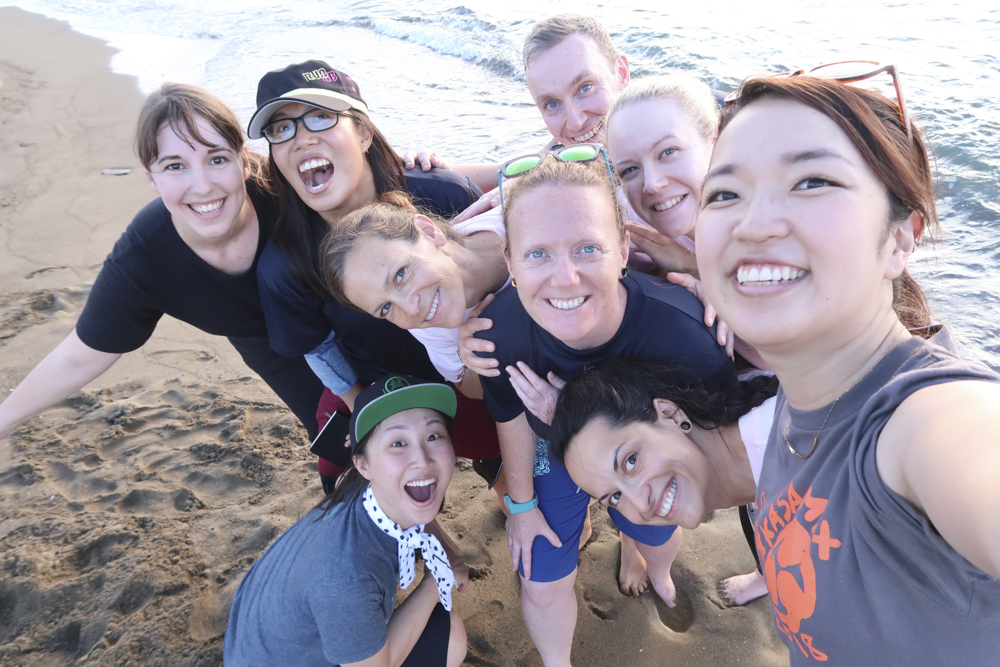
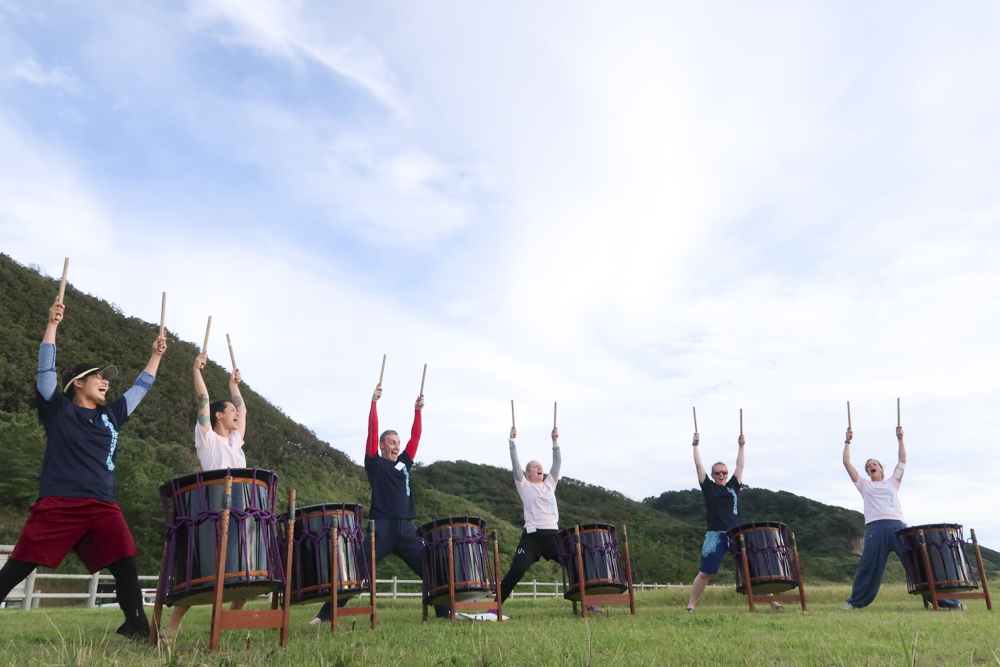
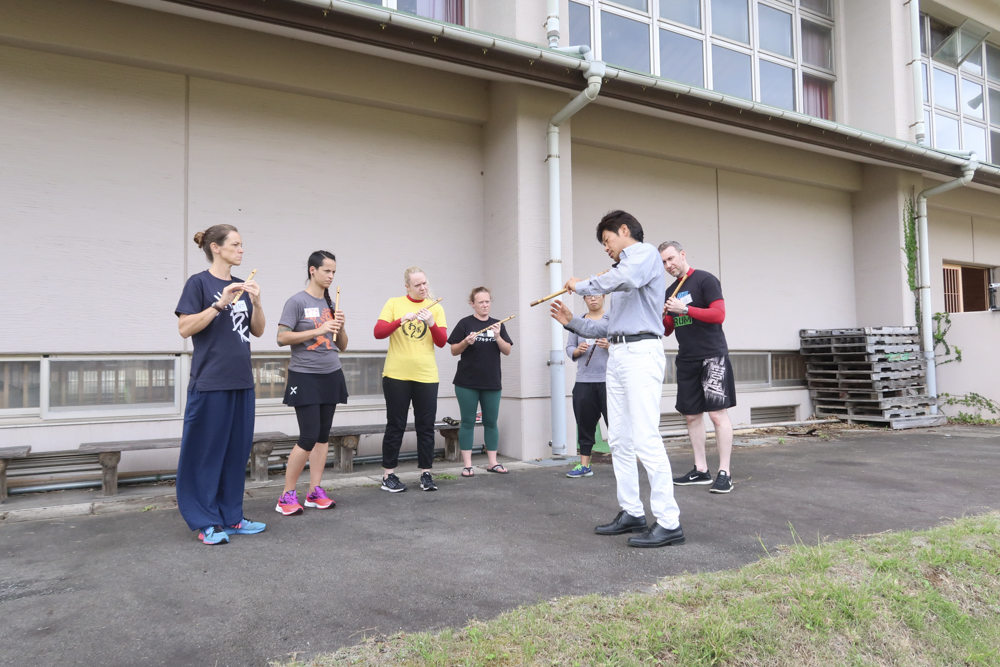
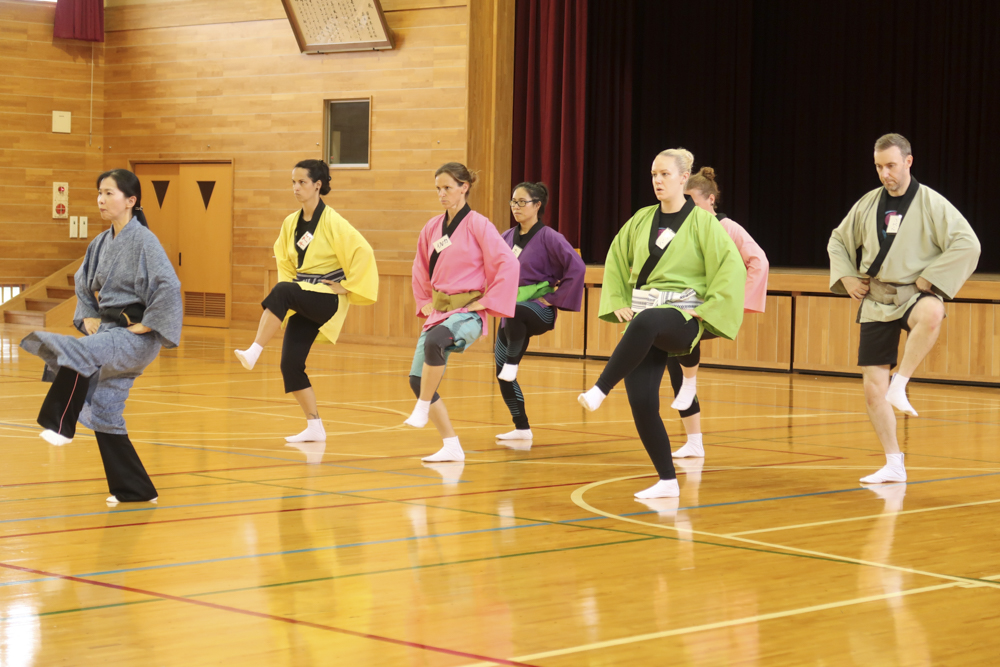
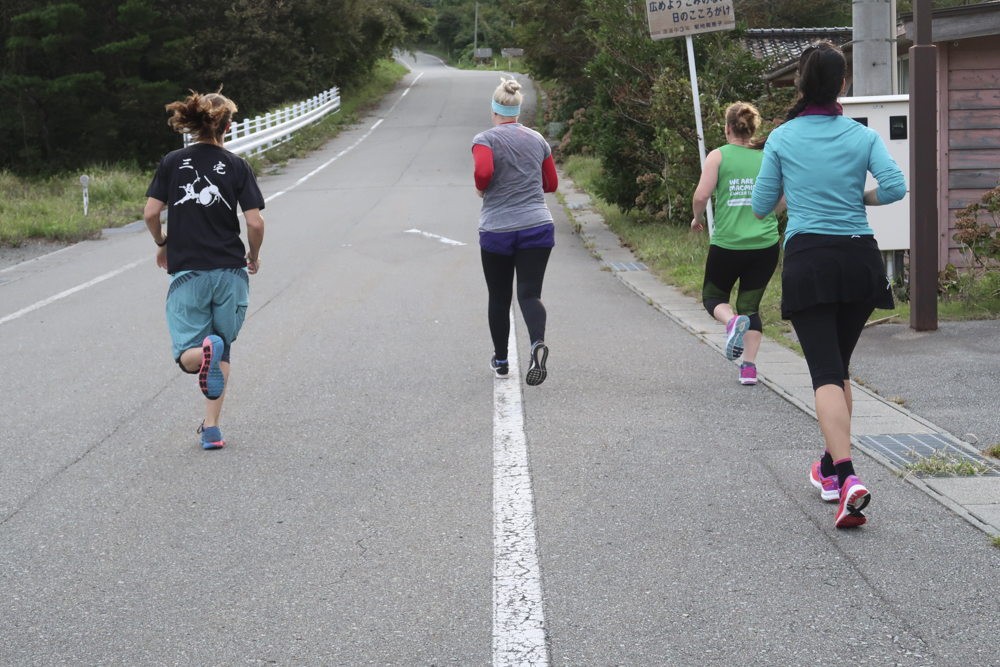
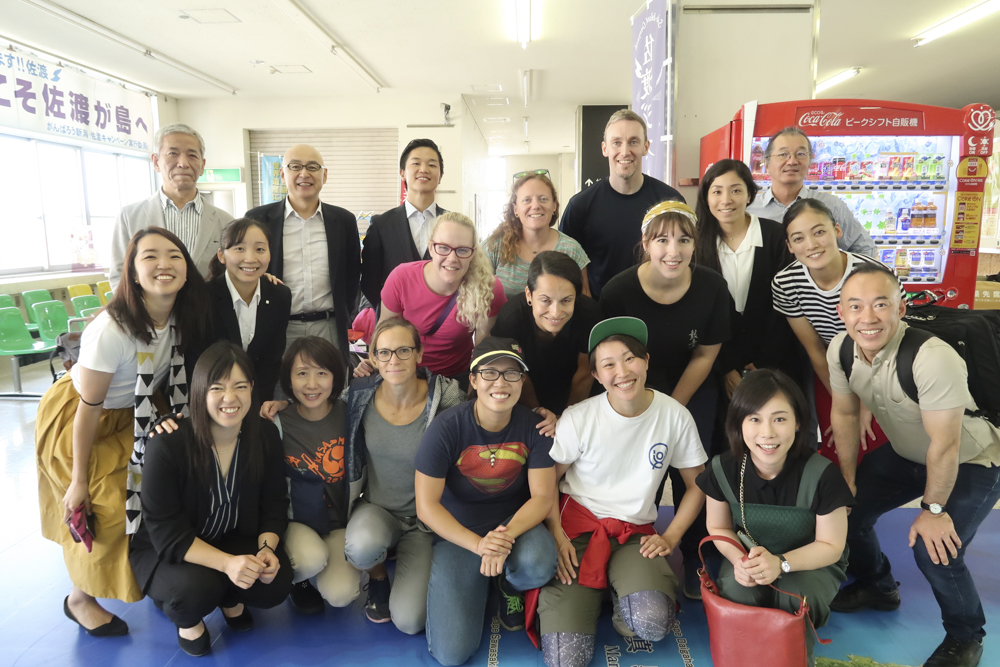
Roots of Kodo is a new live-in workshop aimed at people from abroad. The inaugural program was nine days long, held on Sado from Sep. 10 through 18.

Photo: Yui Kawamoto

This idea for this project all started in Europe during a workshop tour I planned in 2017. I met so many energetic overseas taiko players on that tour who were very eager to learn.
I heard people from various countries say they wanted to study (taiko) way more seriously and they wanted to train at Kodo Apprentice Centre, if possible. So I wanted to give them the opportunity to do that. That’s how this program came about.

Photo: Yui Kawamoto

Kodo is constantly seeking new forms of expression with taiko, and so are people who play taiko abroad. They are also always wondering what is possible and looking for new inspiration, too.

After careful consideration, I felt that rather than try to teach them what Kodo’s way of expression, if I shared the roots of what we, Kodo, value as a group, then that might be the best way for each of them to move forward in their own pursuit of genuine taiko expression.

Photo: Yui KawamotoPhoto: Yui KawamotoPhoto: Yui Kawamoto

I could prepare that environment for them and create an optimal opportunity for them to learn.

And I’d already learned how to do just that through my experiences at Kodo Apprentice Centre.

Photo: Yui Kawamoto

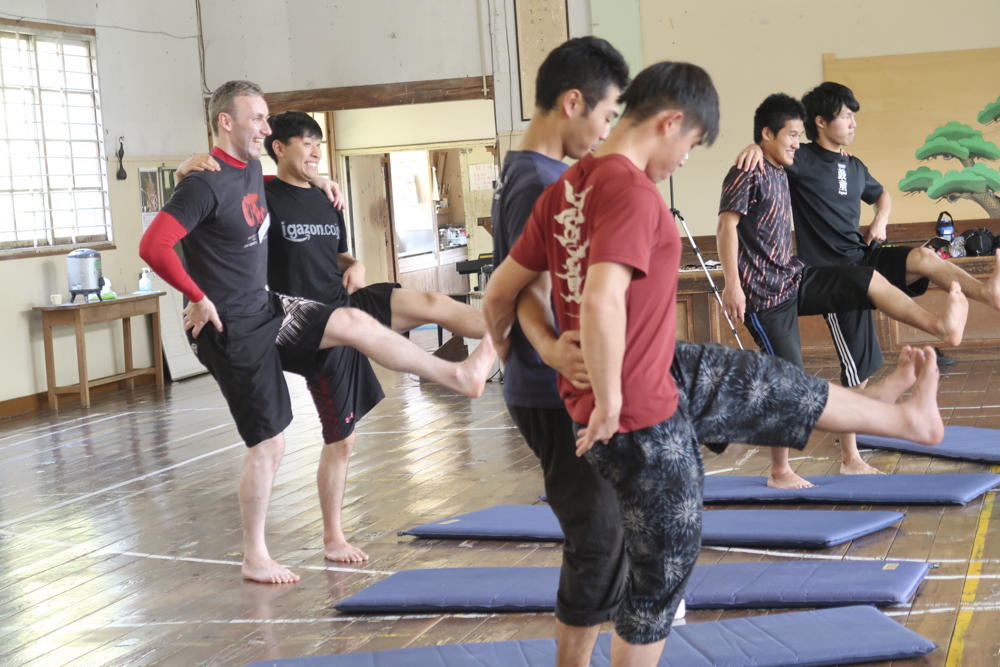
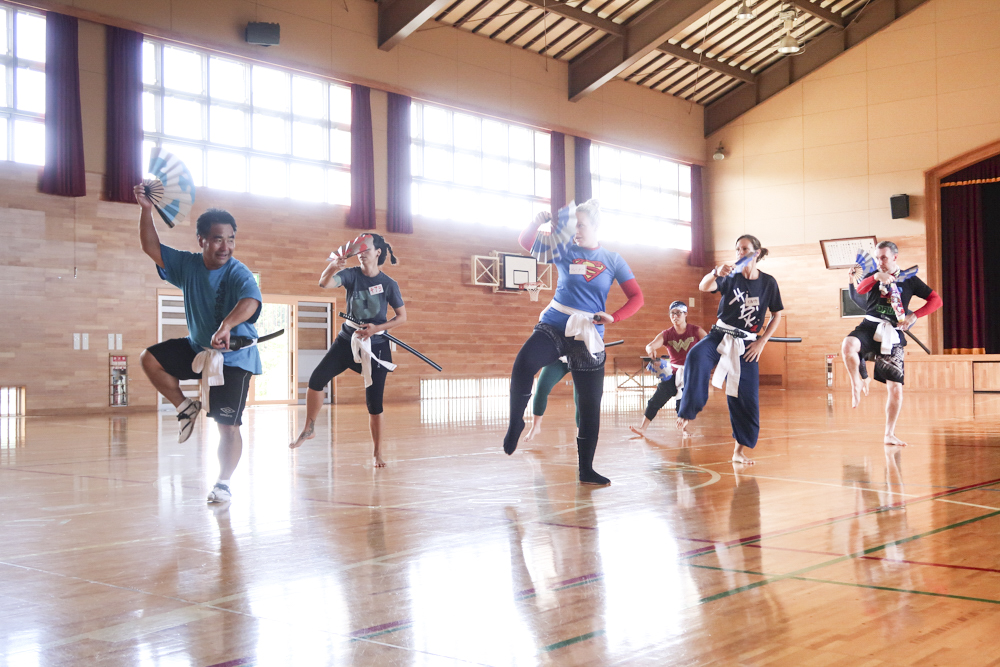
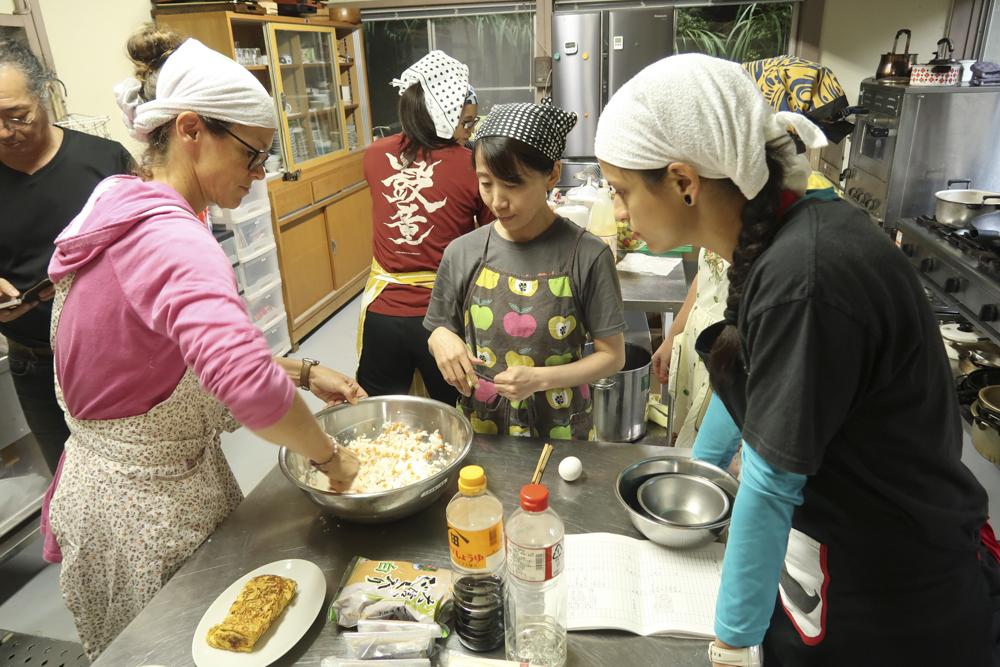
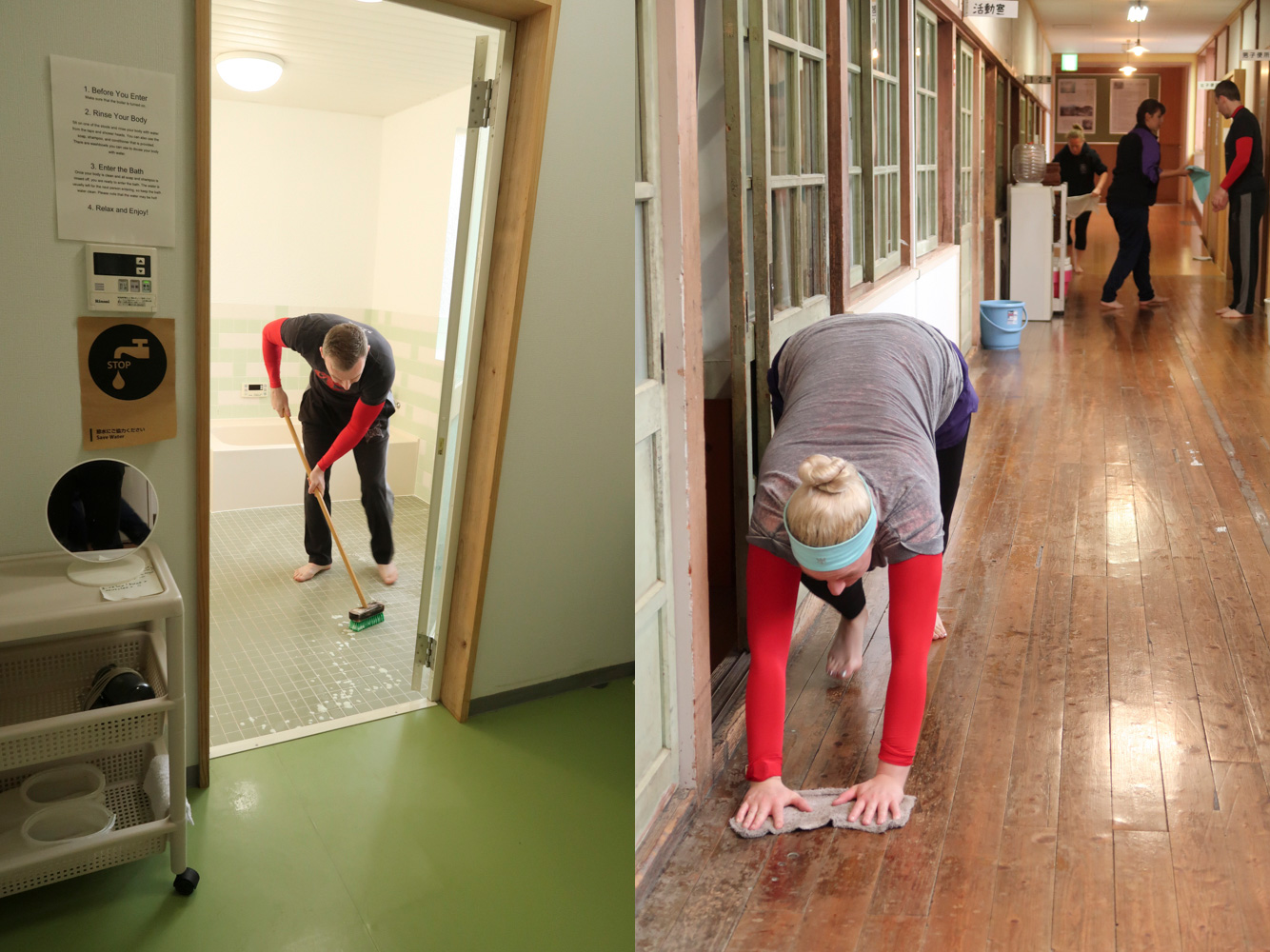
So I devised a program that included all the things that I considered to be Kodo’s roots: making your own meals, cleaning, creating a schedule and living by it together, figuring out time for training, devising practice methods, discussing things…and more.

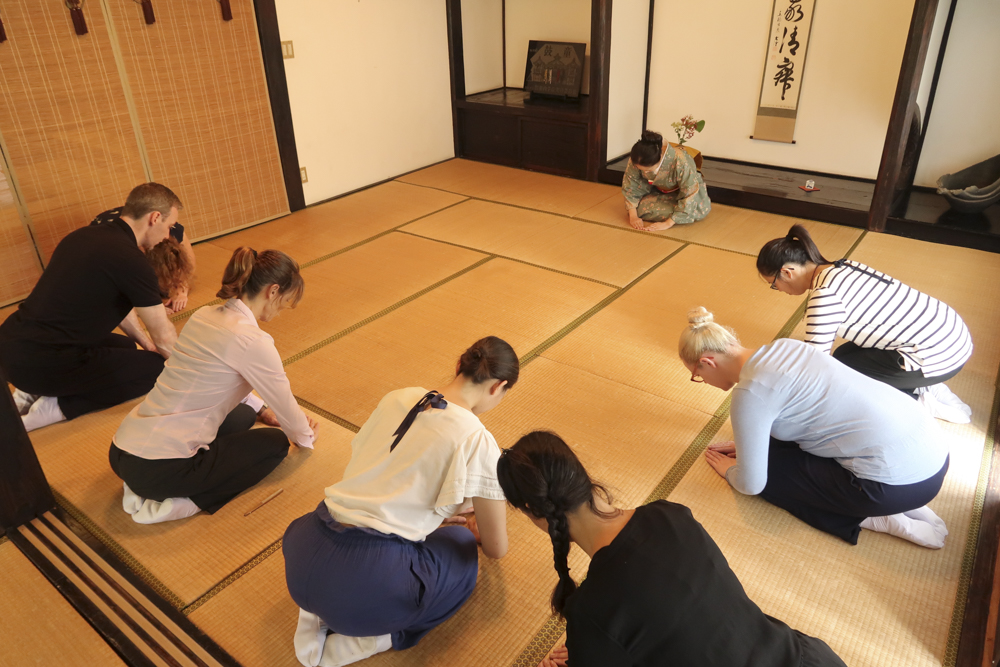
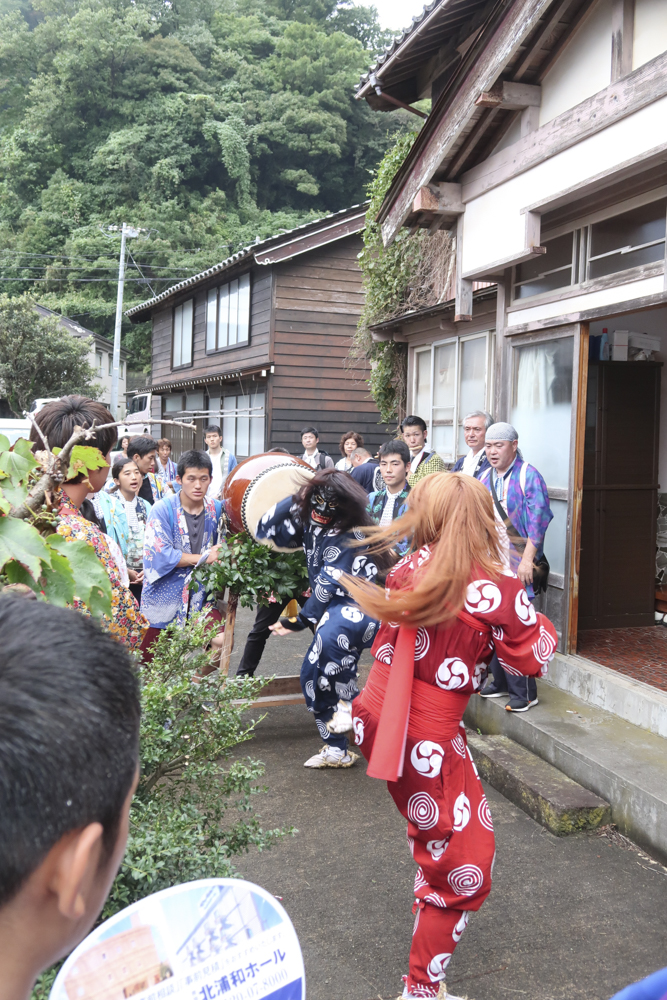
Photo: Yui KawamotoThe program was not just about taiko training. It also included dance, tea ceremony, taking part in a local festival, agricultural work, and other activities. When I made a list of all the fundamentals of our group, there were so many things other than taiko that I was unsure if it would even make sense to the participants.

Photo: Yui Kawamoto

Each and every participant came with an active approach to learning and the desire to make the most of the program. I think the program worked because of their attitude.

Photo: Yui Kawamoto

Photo: Yui Kawamoto

I kept asking myself if all these activities were necessary for simply playing taiko, and I made a real effort not to just gloss over things by saying “In Japan, we do this” or “That’s just the way it is.” By being thoughtful about every element, what was actually important became clear and it was regardless of any country or culture. I discovered things every day… perhaps I ended up learning the most of anyone from all the questions and reflection.
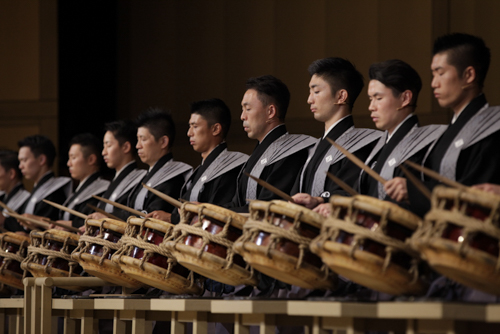
Photo: Yui Kawamoto

Once it was over, I realized that getting answers is not the purpose of this programPhoto: Yui Kawamoto

What people got were “seeds.” Those seeds were cultivated on Sado Island, within people just like this, within a history of time spent just like this.
And Kodo is the “flower” in bloom, which grew from those seeds.

Photo: Yui Kawamoto

How the Roots of Kodo participants raise the seeds we gave them is up to each one of them. We know seeds grow differently according to factors such as the soil where they are planted, if they get sunlight or not, and if you give them water or not. I think the best way to raise seeds differs from place to place. I wonder what kind of flowers will bloom from those seeds in each participant’s country in the future.

Photo: Yui Kawamoto

I hope the message of “ONE EARTH” will spread around the world through these seeds and flowers, to connect us all someday.

Photo: Yui Kawamoto

To all the participants and staff involved, thank you so much.
I am excited about what lies ahead!

Photo: Yui Kawamoto

“Picking Persimmons” by Misato Akazawa

All of sudden it’s cool and comfortable on Sado Island. It’s so different to the summer heat that was here not long ago.

Photo: Misato Akazawa

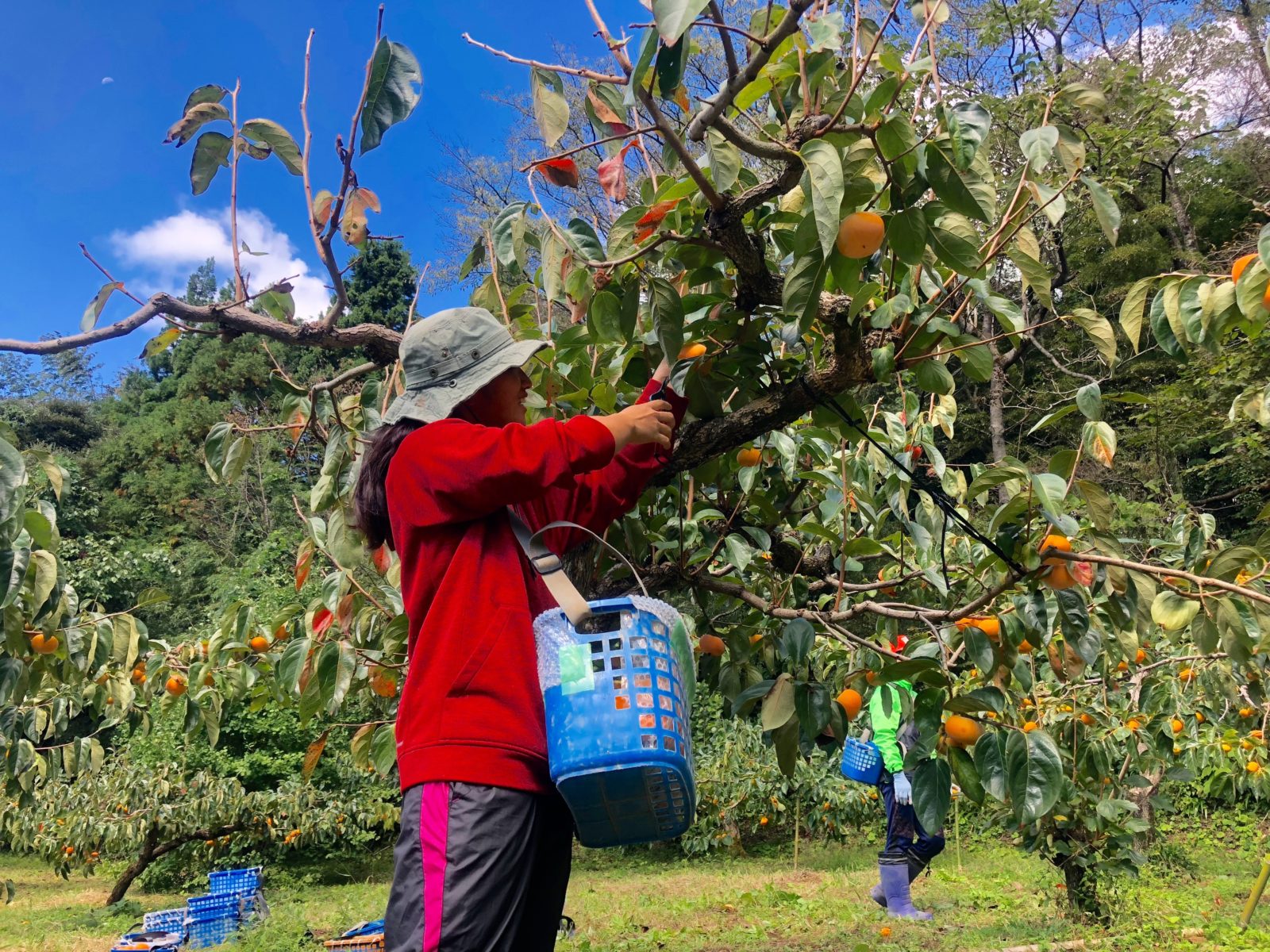
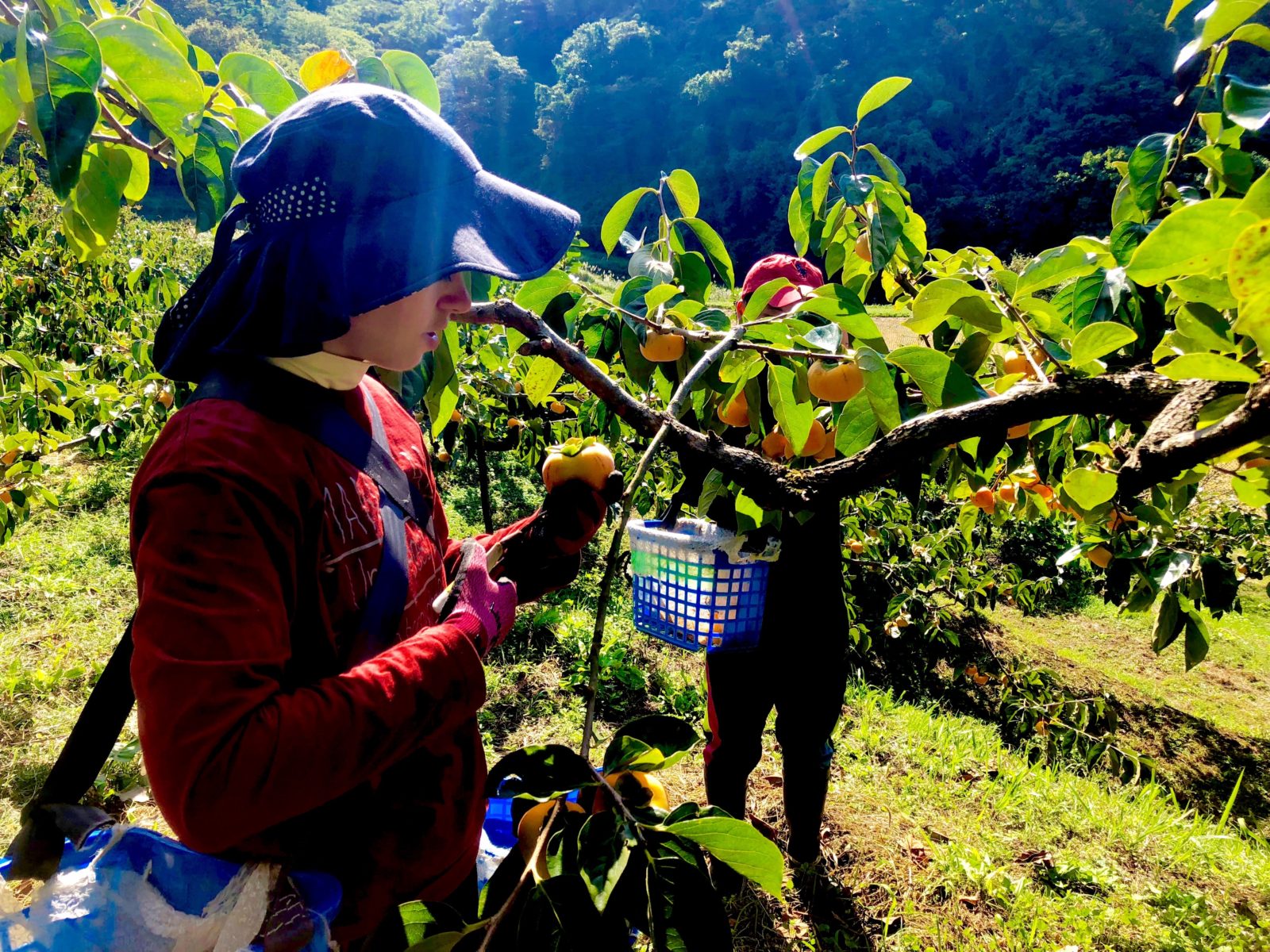
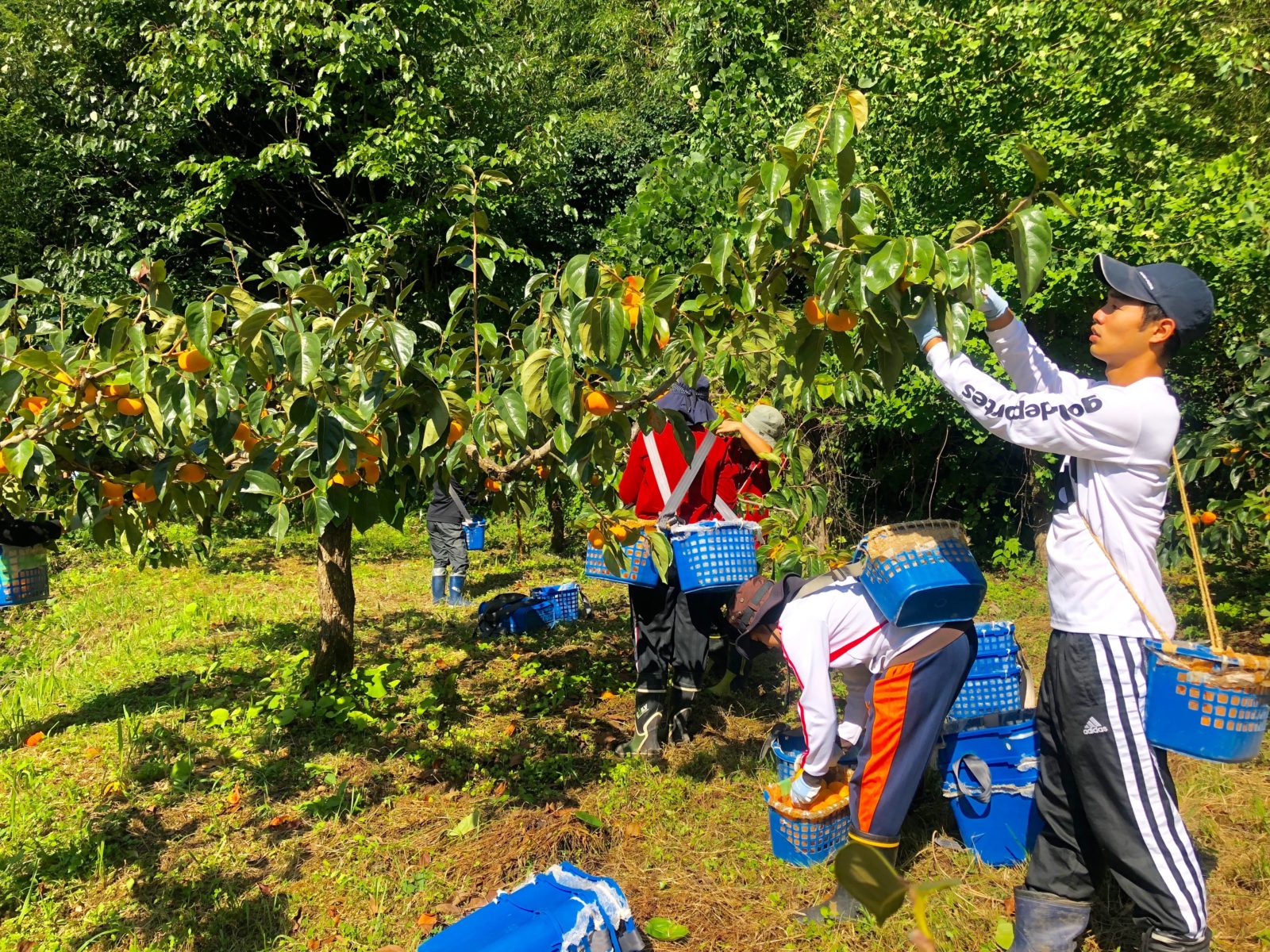
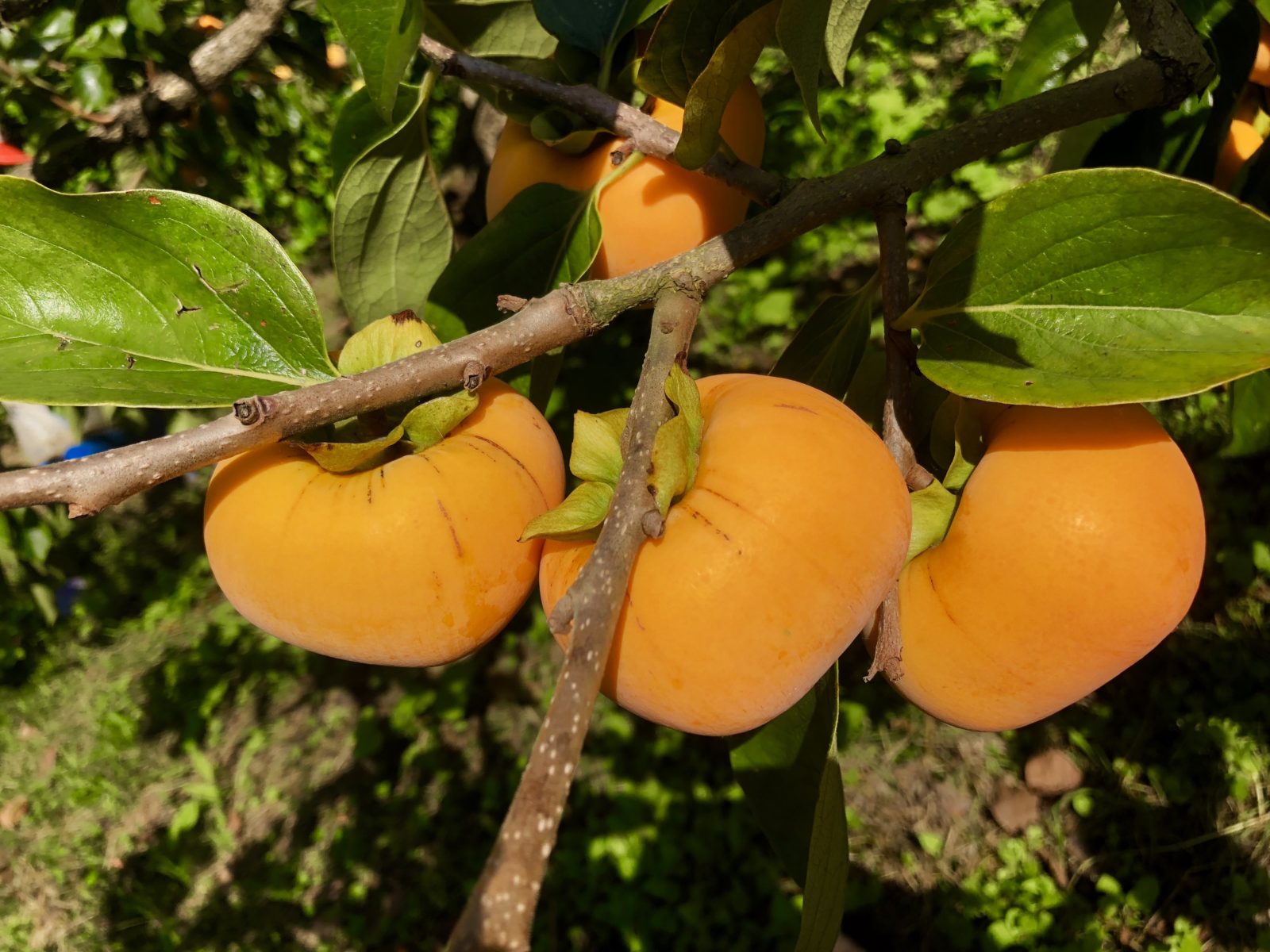
The other day, we did some agricultural work with the Kodo apprentices at a persimmon orchard managed by Mr. Shokei Kusaka at Konin-ji, a temple in Hamochi. Mr. Kusaka teaches us how to do debudding, cut the weeds, and pick the persimmons properly.

Photo: Misato Akazawa

When we went to the orchard, the apprentices exclaimed:
“Those small persimmons have gotten so big!”
“What a beautiful shade of orange, they look delicious!”
“We’ll have to work hard to harvest them all.”

Photo: Misato Akazawa

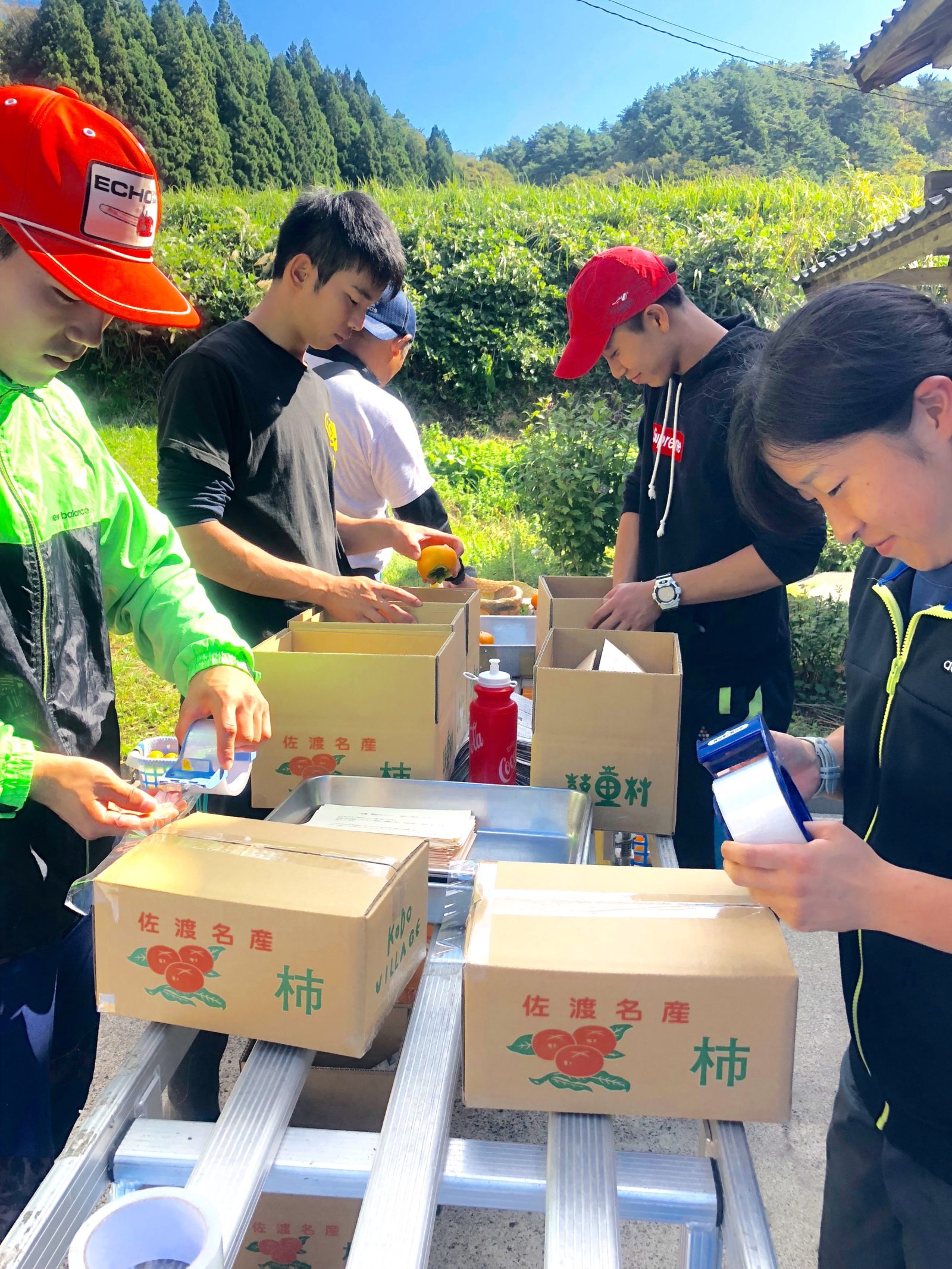
We harvested the persimmons, learning from Mr. Kusaka how to pick them without damaging them. After picking the fruit, we put alcohol on them to remove the astringency and carefully pack them into boxes.

Photo: Misato AkazawaThe apprentices’ wishes for a swift delivery are also sealed in each parcel along with the sun-ripened persimmons.Photo: Misato Akazawa

We hope they reach everyone quickly and safely.
If a box is heading your way, we hope you enjoy this delicious taste of autumn!

(These persimmon are sent annually to selected supporters in Japan and members of Kodo no Kai)

About Kodo no Kai

To join our Japanese-language supporter service Kodo no Kai, please contact us by email or see our website for details (in Japanese only).

Email: friends@kodo.or.jp

About Kodo Apprentice Centre

“Moscow in October. Golden Autumn” by Shogo Komatsuzaki

I just got back from Moscow. I’ve been there several times before, but it was always at the end of March when it was really cold. On my previous visits, it was cloudy every day and so cold that it was tough to simply go outside. So my impression of Moscow was somewhat heavy, cold, and dull.
But Moscow in October was completely different and this time I was greeted by feel-good autumn sun and breezes.
Photo: Shogo Komatsuzaki

This time we performed at the Japanese Embassy and Grand Kremlin Palace.

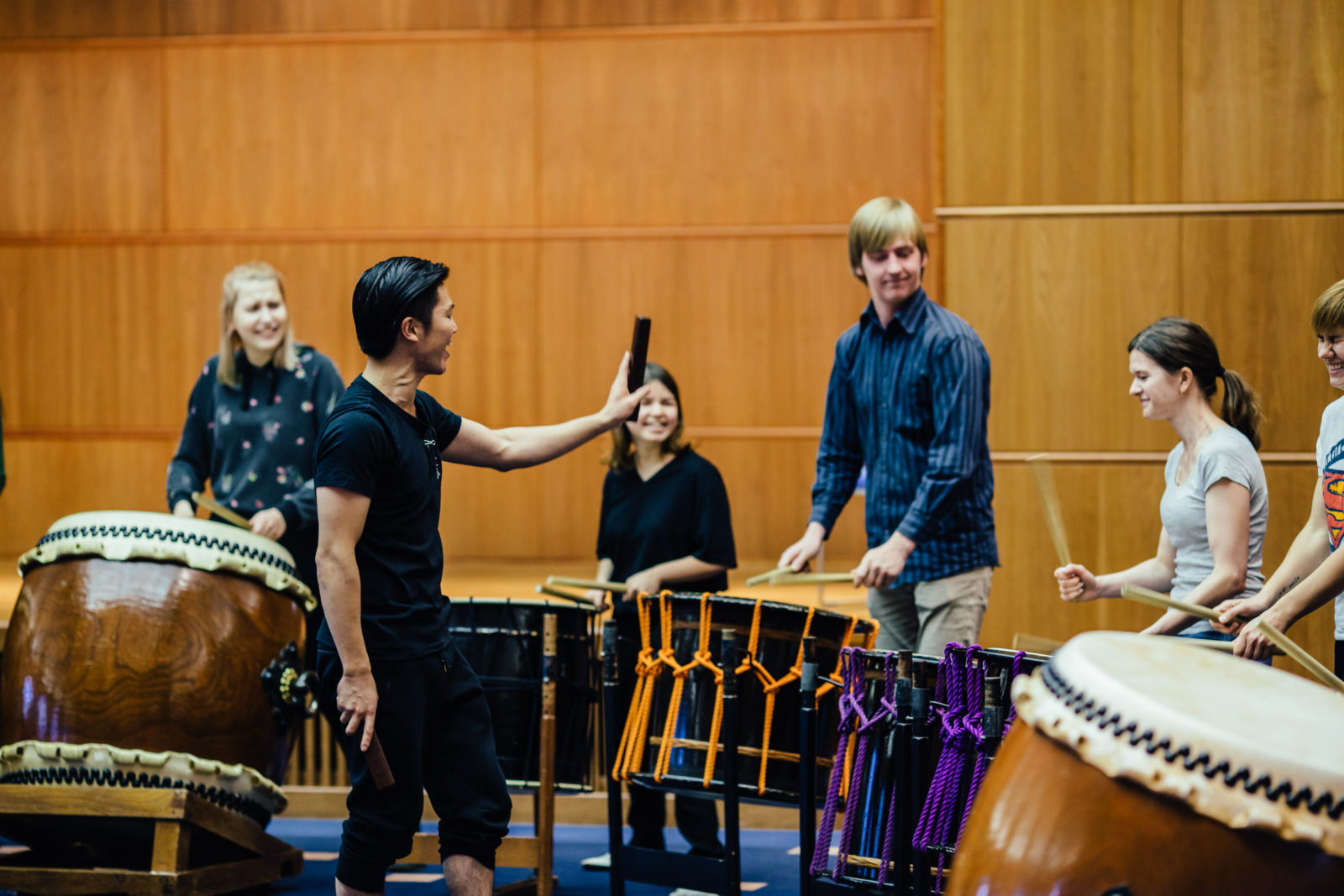
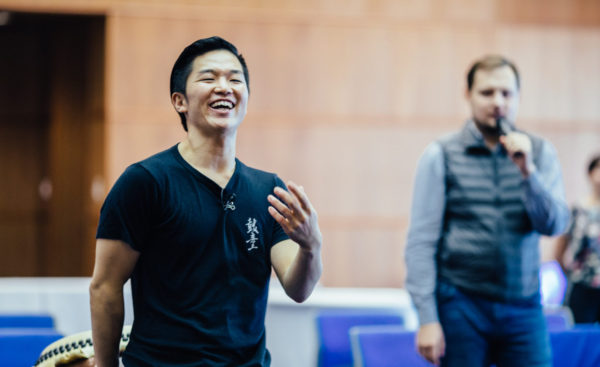
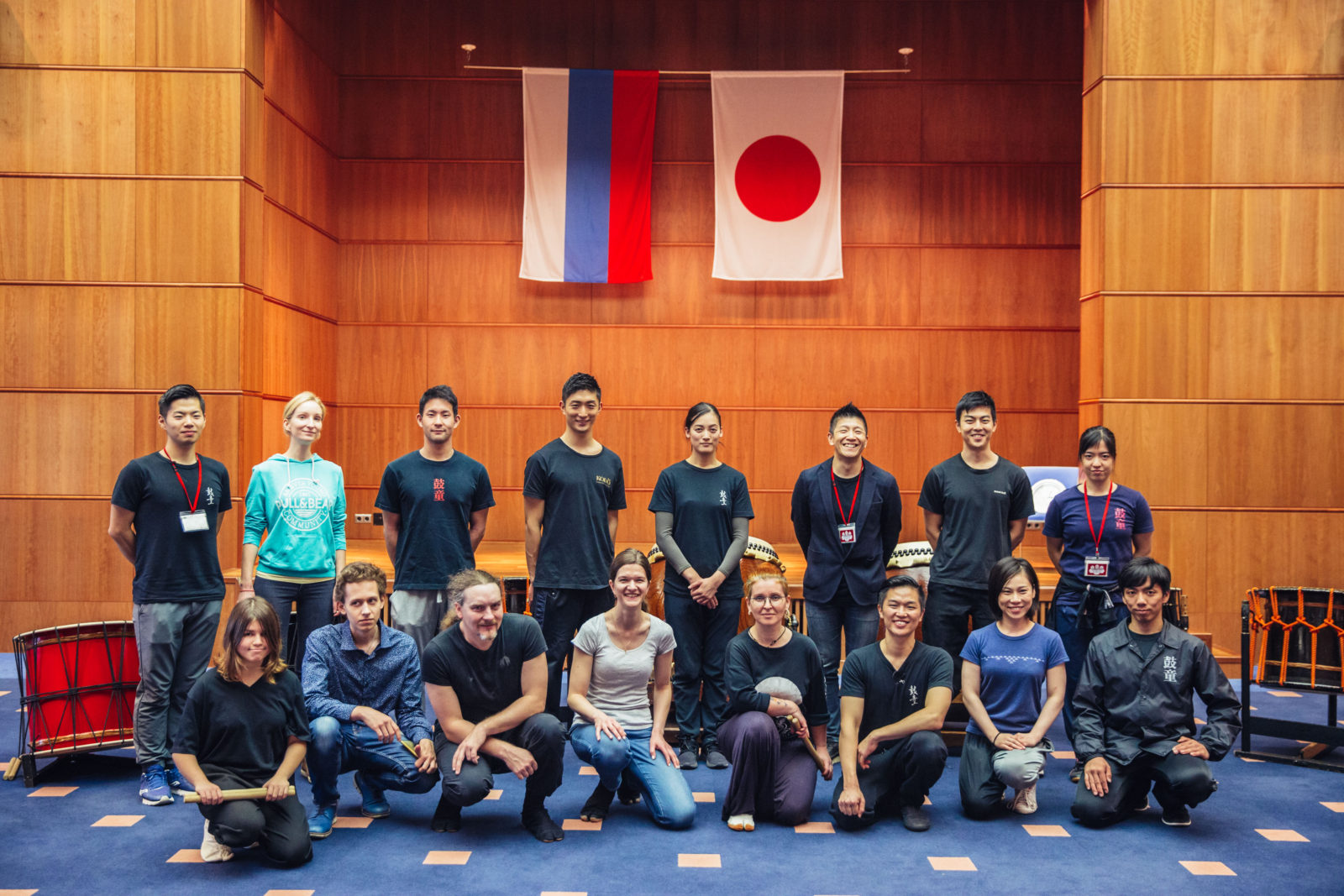
We also led a taiko workshop for students at Moscow Tchaikovsky Conservatory and local taiko players. The workshop was about two hours long and we also joined them for a social gathering.

I felt the local passion towards music and performing arts through the wonderful support of the organizers, the townscape in Moscow in a milder season, and the smiles of the workshop participants who watched us intently.

It was a thoroughly fulfilling week and by the end of it I really liked Moscow. I was already thinking about coming back and seeing everyone again.


Thank you very much to everyone who looked after us on this visit.
I hope the bonds we made will last a very long time.

Oct. 11 (Thu)–13 (Sat), 2018 Russian Performance Tour “Golden Autumn 2018: Russian Agricultural Exhibition” Presented by Russian Ministry of Agriculture *Private performances

“Deep into the Woods of Japanese Culture” by Melanie Taylor

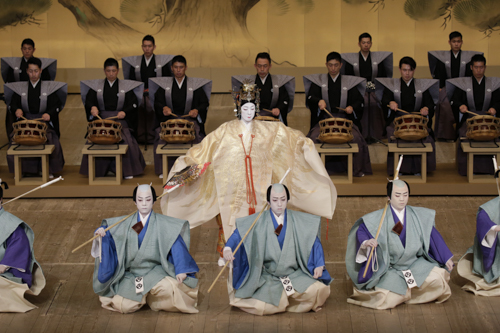
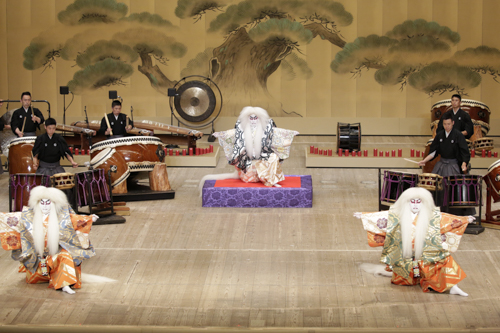
This month Kodo is performing at Kabukiza Theatre as musicians for the new Kabuki production “Yugen.” It’s based on the sellout Tamasaburo Bando and Kodo collaboration last year, which went by the same name. Both the 2017 production and 2018 Kabuki are based on three iconic Noh plays: The Feather Robe, The Stone Bridge, and Dojoji Temple.

So, why see a new Kabuki work based on a collaboration based on Noh?
In short, this production is a trip to a deep, dark, intriguing part of Japan that you won’t find on TripAdvisor or the like.
You may not realize it from the flier, but this is your chance to go off the beaten track and deep into the woods of Japanese culture.

I saw last year’s version three times, and this year’s twice so far. I’m going back for a third time before it ends on Sep. 26. There’s something quite addictive about the world they conjure on stage and I feel compelled to go again while I have the chance.

In all honesty, this is unlike any Kabuki I’ve ever seen, and I’ve been fortunate enough to attend quite a few performances at Kabukiza Theatre over the past decade.
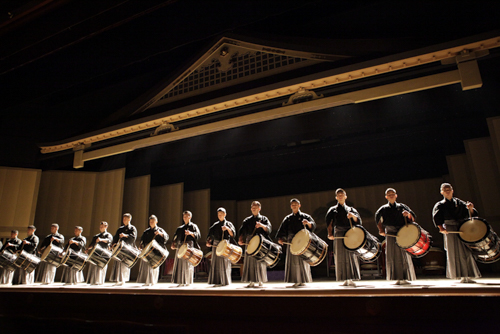
The big difference for me is probably the powerful beat. There is something about twenty Kodo performers on that immense stage playing with such soul and precision that draws you in and carries you away with more force than usual. As if connecting the audience to the stage on a primal, foot-tap inducing level, I felt the addition of more drums and new music made the Kabuki less foreign and more superhuman than usual. Prepare to be stunned by the power, grace, and presence of the actors. It’s extraordinary and breathtaking.

Quite simply, Yugen is a spectacular, entertaining event that will show you Japanese culture with splendour and intensity, give you goosebumps, make your jaw drop and your heart beat in time with the stage and audience members.
While it might be the most Japanese experience you’ll have in Japan, I suspect you’ll also leave feeling more connected to the humans all over the world. I can’t help but thinking that human beings doing their best on stage, right before our eyes, inspire us all the more in whatever we strive to do each day. In an age of YouTube and people happy to watch a DVD if they can’t attend a performance, “Yugen” reminds us of the many roles of the theater: to delight, to surprise, to remind us of human effort and ability, and to recharge our souls. I could go on.

I don’t want to add any spoilers, so I’ll just urge you once more: if you’re in or near Tokyo, I really hope you can see this performance.

And I invite you to share your feedback after you attend.
Kodo will be using this valuable experience to inspire our new compositions and productions, so we would appreciate your insight to help us entertain you all the more!

Kodo Appearance in New Kabuki Production “Yugen” at Kabukiza Theatre September Kabuki Performances [Evening Show] (Chuo Ward, Tokyo)

Photos: Takashi Okamoto
Stage Production: Shochiku Co. Ltd.
All rights reserved.


Kodo Blog Archive