
Kodo Apprentice Centre | 2025 Report, Plans for 2026 and Beyond
 Post
Post
Yuichiro Funabashi
Kodo Ensemble Leader,
Kodo Cultural Foundation Director
Kodo Apprentice Centre Director
Kodo Apprentice Centre 2025 Report
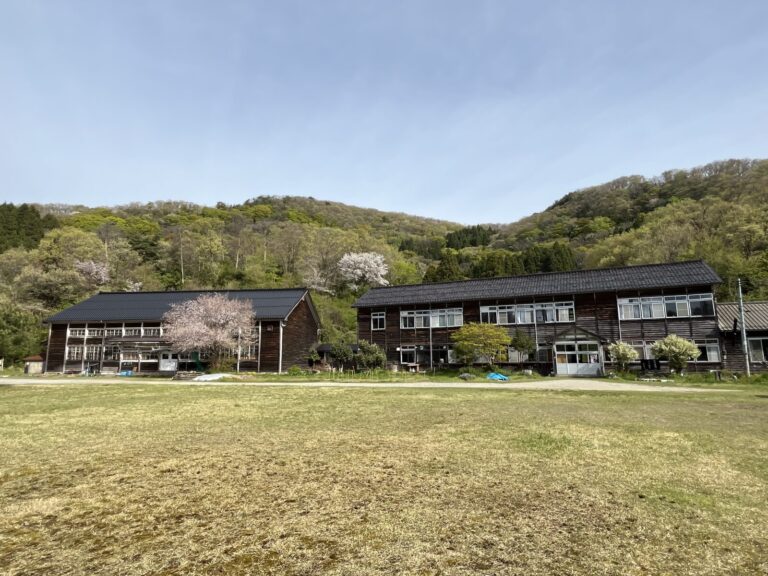
2025 was a major period of transition for Kodo Apprentice Centre. We set out to thoroughly reconsider and improve our curriculum, facilities, and staffing structure, keeping social and environmental changes and staffing needs in mind. Consequently, we made the difficult decision to suspend our annual apprentice intake for the first time in forty years.
“Why do people study here?”
“What do we foster here?”
We spent the year asking ourselves these questions and more, over and over again. Along with practical skills like playing taiko and flutes, singing, dancing, physical movement fundamentals, and voice training, Kodo apprentices learn through communal living and agricultural work. They also grow through their regular interactions with the local community. We are still searching for the best way to capture Kodo’s core ethos of living, learning, and creating as one holistic training experience.
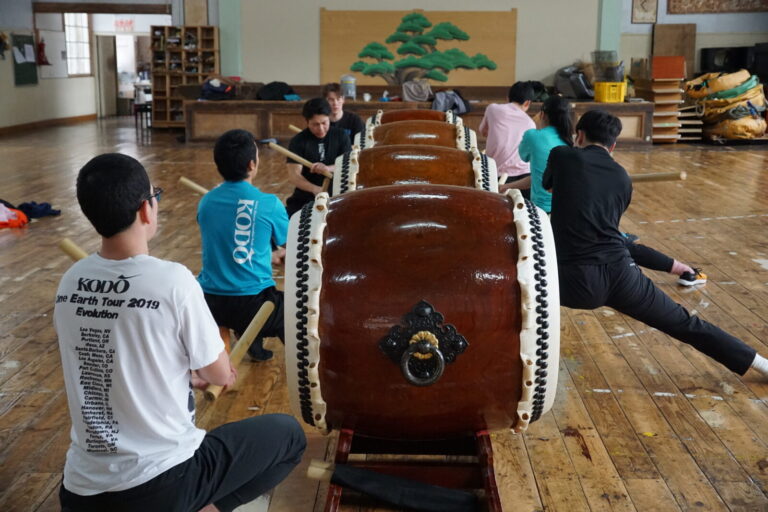
February 2026. After the cohort above them graduated in January, seven apprentices entered their second year and continued their training through the winter months.
As part of this journey, we are reshaping our staffing organization so that the entire Kodo Group helps raise our apprentices. We want to ensure that Kodo’s ensemble members—the performers themselves—are actively involved with the apprentices’ lives outside of their performance-related training, supporting them with daily tasks and the practical side of life. There has been an imbalance in that responsibility to date, and we look forward to having more Kodo members involved in the Apprentice Centre moving forward. This also gives our performers a valuable chance to reexamine their own roots, which I hope will in turn enrich their expression on stage.
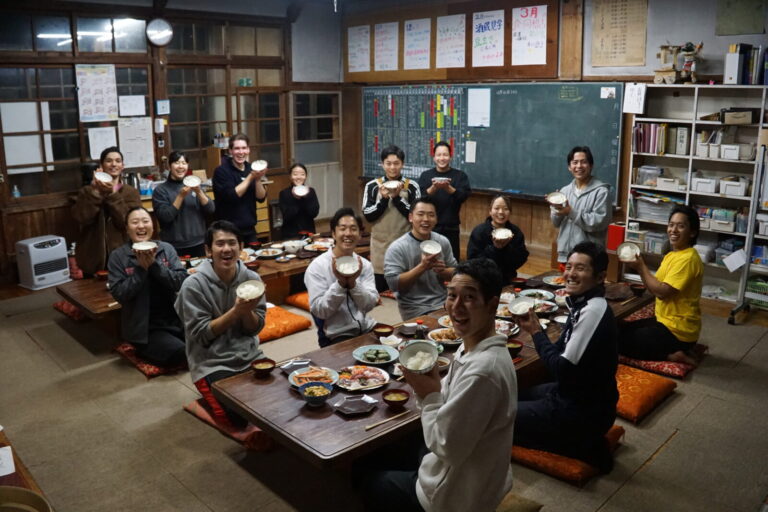
Beaming smiles after harvesting and cooking the rice they grew themselves.
One impactful change we made was the introduction of a set number of consecutive days off each season for the apprentices. They used this time off to undertake independent projects. These included walking the perimeter of Sado Island, researching a festival that is no longer held, gaining work experience at their parents’ workplaces, and making a study visit to an instrument maker’s workshop or another workplace. By introducing unstructured time into their usual intensive training, the apprentices had time to act and reflect independently and to connect with the world outside. This gave them opportunities to reconsider their own artistic expression and way of life from a broader perspective—creating a virtuous cycle that elevates the quality of their everyday training. Moving forward, we will continue to build frameworks that allow the apprentices to harness societal connections that deepen their studies, such as incorporating vocational experiences.
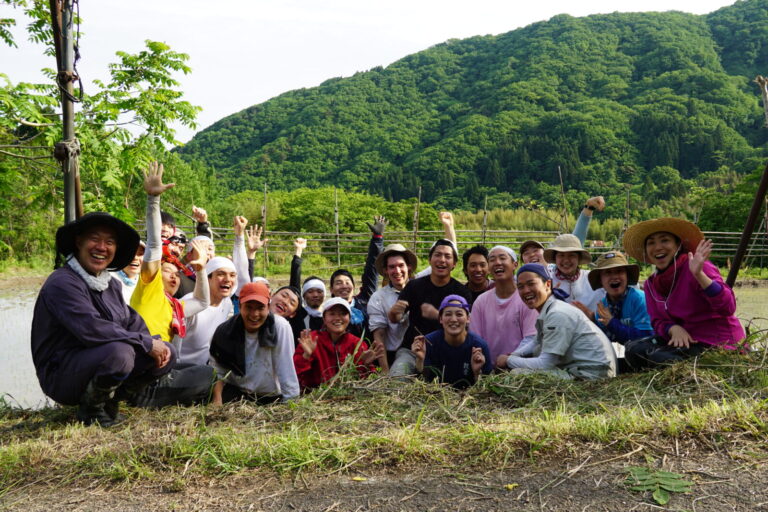
Kodo members rolled their sleeves up to help with the apprentices needed more hands to get through their agricultural work.
We also mapped out the necessary repairs and reconfigurations at the Centre with various factors in mind. For example, we considered how the apprentices would take part in facility maintenance as well as local events and working bees. We also thought about how the Centre could serve as an evacuation shelter or a disaster prevention base. Kodo Apprentice Centre is not a closed training facility. We want it to be widely recognized as an integral part of the area, so we will work to make it more open and deeply rooted in the community.
Plans for 2026 and Beyond
2026 is the year that we will steadily drive this process forward. As we hone the apprenticeship course content, we are enhancing the instructor team structure and the facilities where we host the apprentices. We are committed to maintaining high-quality training by carefully balancing our curriculum scale with the capacity of the programme. We will also share more of our journey with the public and create opportunities for exchange outside the Centre, ensuring that each apprentice can feel their own role in society while they train here. As these initiatives take root, we believe the apprentices will grow as individuals, bringing new energy and creativity to the Kodo ensemble. At the heart of Kodo Apprentice Centre moving forward, we will balance two core actions: enriching performance-oriented training for the stage and enabling meaningful connections with the local community and society as a whole.
As for the future, that starts this year as we reopen applications to welcome new apprentices in 2027. Kodo Apprentice Centre is the foundation for every person who aspires to join Kodo on stage, and it’s where we all deepen our expression. It is a unique place that nurtures people, fosters connections, and renews culture. We will run this Centre with immense care, safeguarding its ties to the community and the world to ensure that this cycle never ends.
We cannot achieve this vision alone. With the vital help of our supporters, local authorities, and partners, we will continue to expand our activities and work to keep creating sustainable cultural offerings with roots on Sado Island. I kindly ask for your unwavering support and guidance as we take our next deliberate steps forward.
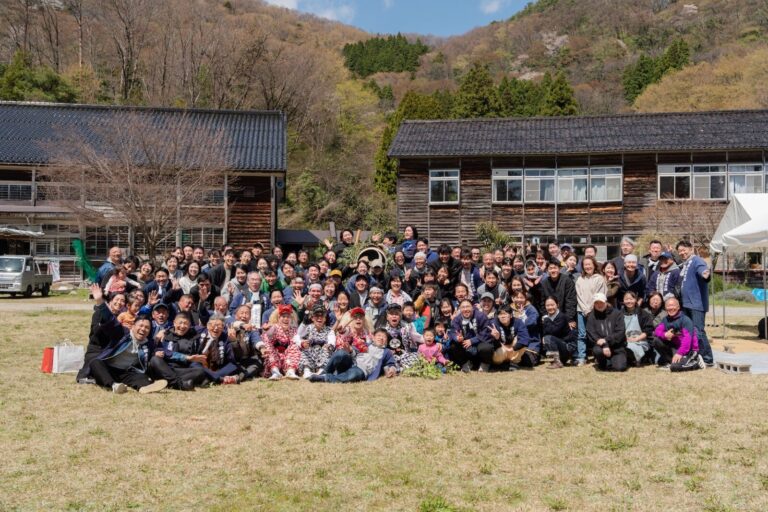
Group photo outside Kodo Apprentice Centre during Kakinoura Festival, April 2026.
Applications Now Open for Kodo Apprentice 2027 (Cohort 45) Intake
For further details about the 2027 application and admissions process, please visit the page below.
Applications close on Sep. 30 (Wed), 2026.